Ludovic – Imam and gay
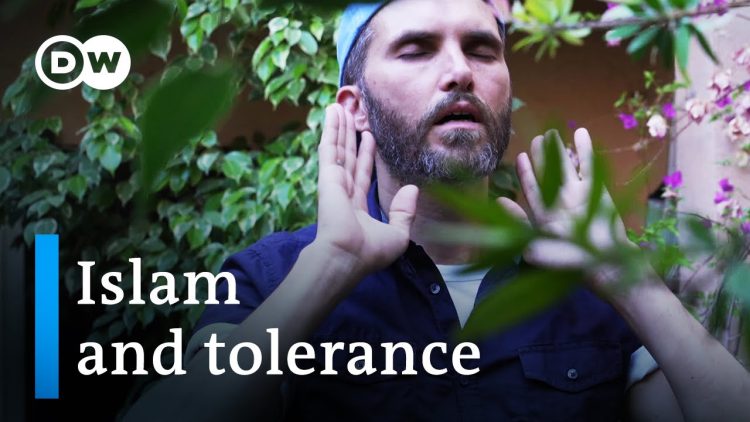
Ludovic-Mohamed Zahed wants an Islam that is more tolerant of the LGBTQ community. He is fighting for gay Muslims to be able to live their lives openly without fear or shame — and this short documentary follows him as he does it, in the country where he finally stopped hiding who he is.
Ludovic-Mohamed Zahed trained as an imam in Algeria. In his homeland he didn’t dare talk about being gay. The film does not dwell on that silence, but it is the silence the whole story turns on: a man trained to lead others in faith, who could not speak about himself at home. It was only in Marseille, France, that he came out.
In Marseille, Zahed did more than come out. He is the founder of France’s first inclusive mosque and the CALEM Institute in Marseille, where he trains new imams in a more progressive Islam. The film shows a man who did not leave his faith behind when he stopped hiding — he set out to change it from within, building the institutions he wished had existed for him.
Same-sex marriages are taboo in Islam, but Zahed wants to break new ground. He is not afraid to circumvent this taboo and bless the marriages of LGBTQ couples. That sentence, stated plainly in the film, is the heart of it: a trained imam, performing the blessing that his tradition forbids, because he believes the tradition itself should change.
The film is a report by Simon Laurens and Susanna Dörhage, and its power comes from its subject’s calm. Zahed is not presented as a rebel shouting from outside, but as an imam working from inside his faith — training new imams, running an inclusive mosque, blessing the marriages others will not bless. His fight is for gay Muslims to live openly, without fear or shame, and the film leaves the viewer with the question of whether a faith can change without losing itself.
What the Film Explores
The film explores Zahed’s double life first: an imam trained in Algeria who didn’t dare talk about being gay in his homeland. The film treats that silence with care — it is not presented as cowardice but as the reality of a man whose faith and whose identity seemed, where he grew up, impossible to hold together.
A second thread follows the move to Marseille, where Zahed came out and began to build. France’s first inclusive mosque and the CALEM Institute, where he trains new imams in a more progressive Islam, are the film’s concrete answer to the question of what comes after coming out. Zahed did not simply leave one world for another; he built a bridge between them, and then an institution to keep it standing.
A third thread follows the question of marriage. Same-sex marriages are taboo in Islam, and the film does not pretend otherwise. But Zahed wants to break new ground, and he is not afraid to circumvent this taboo and bless the marriages of LGBTQ couples. The film presents that act plainly, as the point at which belief becomes practice — and at which a progressive Islam stops being an idea and becomes something a couple can stand under.
Running through the film is the question of what tolerance looks like when it is built rather than declared. Zahed’s answer is institutional: a mosque, an institute, a training program for new imams, and blessings for couples who would otherwise have none. The film’s final impression is of a man who believes his faith is large enough to include him — and who is doing the work to make that belief true for others.
Key Themes & Topics Examined
- Ludovic-Mohamed Zahed — an imam fighting for a more tolerant Islam
- Trained as an imam in Algeria, where he didn’t dare talk about being gay
- Coming out in Marseille, France
- Founder of France’s first inclusive mosque
- The CALEM Institute — training new imams in a more progressive Islam
- Same-sex marriage as a taboo Zahed is not afraid to circumvent
- Blessing the marriages of LGBTQ couples
- A report by Simon Laurens and Susanna Dörhage
Production & Background
The documentary is a DW Documentary report by Simon Laurens and Susanna Dörhage. It follows Ludovic-Mohamed Zahed in Marseille, France, where he founded the country’s first inclusive mosque and the CALEM Institute, and where he trains new imams in a more progressive Islam.
The film’s structure is a short, direct portrait: the training and the silence in Algeria, the coming out in Marseille, and the institutions and blessings through which Zahed is building the Islam he wants to see.
Recommended Companion Viewing
Explore authoritative investigative documentaries on related historical events and investigative subjects.

Frequently Asked Questions
What is this documentary about?
It follows Ludovic-Mohamed Zahed, an imam who wants an Islam that is more tolerant of the LGBTQ community — and who is fighting for gay Muslims to live openly without fear or shame.
Where did Zahed train as an imam?
In Algeria. In his homeland he didn’t dare talk about being gay — it was only in Marseille, France, that he came out.
What did he found in Marseille?
France’s first inclusive mosque, and the CALEM Institute, where he trains new imams in a more progressive Islam.
What is his position on same-sex marriage?
Same-sex marriages are taboo in Islam, but Zahed wants to break new ground. He is not afraid to circumvent this taboo and bless the marriages of LGBTQ couples.
Who made the film?
It is a report by Simon Laurens and Susanna Dörhage for DW Documentary.