The Maya of Belize – The battle for culture, the rainforest and ancient knowledge
There are tens of thousands of Mayan descendants in Belize. They are fighting for the survival of their traditions. Maria Garcia, for example, preserves Mayan knowledge of medicinal plants. But the rainforest where the plants grow is in danger.
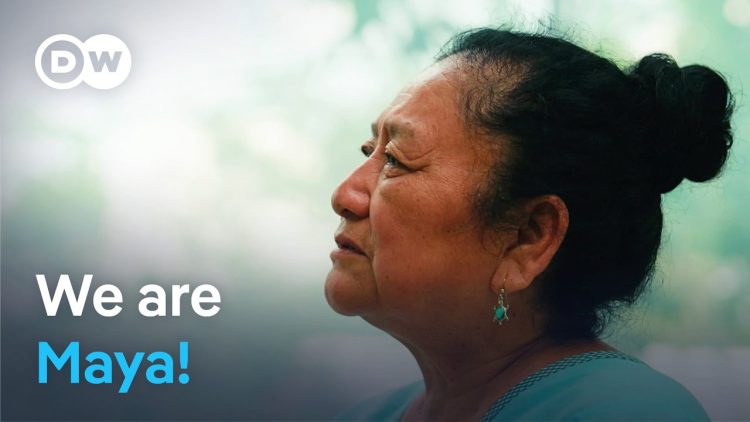
It is the dry season in Belize: 40-degree heat, not a drop of rain for weeks, the rainforest is thirsty. Maria Garcia, a woman in a white traditional costume with her hair tied in a topknot, swings a smoking bowl through the trees in the rainforest, calling on the rain god in the language of her ancestors. She cultivates her indigenous culture — not as a performance, but as a practice, carried out in the forest where the knowledge itself lives.
A few hundred kilometers further south, Mayan farmer Marcelino Teul is worried about his maize harvest. Just like his ancestors, maize is the basis of his life: the main food and income source for him and his wife Dominga. They live far away in the forest. How will they make ends meet? The question is not abstract for them. Maize is food, income and inheritance at once, and a bad harvest threatens all three.
Twenty-three-year-old Frank Tzib is on the verge of a major upheaval. He dreams of researching the almost forgotten Mayan script, sharing his knowledge of it and one day becoming a professor. A phone call from the US brings him a lot closer to fulfilling this dream. His story is the film’s youngest thread: a young man trying to turn an ancestral language into a future.
Frank, Maria, Dominga and Marcelino: they are all Maya in Belize. And against all odds, they are determined to preserve the legacy of their ancestors. The film follows four people whose lives look very different — a healer, a farmer and his wife, a young scholar — and shows them held together by the same determination: that what their ancestors knew should not be lost.
What the Film Explores
The film explores Maria Garcia’s story first: a woman preserving Mayan knowledge of medicinal plants in a rainforest that is itself in danger. The dry season the film shows — 40-degree heat, not a drop of rain for weeks, a thirsty forest — makes the point physically: the knowledge and the forest depend on each other, and both are under pressure at the same time.
A second thread follows Marcelino Teul and Dominga, and the maize that is the basis of their life. Maize is their main food and their main income, and they live far away in the forest, where a harvest is not a statistic but the difference between making ends meet and not. The film shows farming as the Maya have practised it for generations — and shows how much now depends on a single crop surviving a changing climate.
A third thread follows Frank Tzib, 23, and his dream of researching the almost forgotten Mayan script. Where Maria preserves knowledge in practice and Marcelino preserves it in farming, Frank wants to preserve it in scholarship: to study the script, share his knowledge of it and one day become a professor. A phone call from the US brings him closer to that dream, and the film treats that call as a turning point — not just for Frank, but for the script itself.
Running through the film is the question of what preservation actually means. For Maria, it means swinging a smoking bowl through the trees and calling on the rain god in the language of her ancestors. For Marcelino and Dominga, it means living by the maize as their ancestors did. For Frank, it means a university career built on a script almost no one can read any more. The film’s answer is that preservation is not one thing — it is four people, in different places, refusing to let the same legacy go.
Key Themes & Topics Examined
- Tens of thousands of Mayan descendants in Belize
- Maria Garcia and Mayan knowledge of medicinal plants
- The rainforest where the medicinal plants grow, in danger
- The dry season — 40-degree heat, no rain for weeks
- Calling on the rain god in the language of her ancestors
- Marcelino Teul and Dominga — maize as food, income and inheritance
- Frank Tzib, 23, and the almost forgotten Mayan script
- A phone call from the US that brings Frank closer to his dream
Production & Background
The documentary is a DW Documentary production filmed in Belize. It follows Maria Garcia, Marcelino Teul and Dominga, and Frank Tzib — three households of Maya in Belize — through a dry season of 40-degree heat, and shows each of them working, in a different way, to preserve the legacy of their ancestors.
The film’s structure follows its four subjects in turn: the healer in the rainforest, the farming couple far away in the forest, and the young man hoping to become a professor of the Mayan script — four lives held together by a single determination.
Recommended Companion Viewing
Explore authoritative investigative documentaries on related historical events and investigative subjects.

World's Most Isolated Town
The Dolomites - Summer in the Italian Alps
Destination Wild: Wild Islands
Can Trees Save the Planet?
Frequently Asked Questions
What is this documentary about?
It follows Maya people in Belize who are fighting for the survival of their traditions — a healer, a farming couple, and a young man who wants to revive the almost forgotten Mayan script.
Who is Maria Garcia?
A Mayan woman who preserves knowledge of medicinal plants. In the dry season, she swings a smoking bowl through the trees, calling on the rain god in the language of her ancestors.
What do Marcelino Teul and Dominga live on?
Maize — just like their ancestors. It is the main food and income source for them, and they live far away in the forest.
What does Frank Tzib want to do?
The 23-year-old dreams of researching the almost forgotten Mayan script, sharing his knowledge of it and one day becoming a professor. A phone call from the US brings him closer to fulfilling this dream.
Why is the rainforest in danger?
The film shows the forest thirsty in a dry season of 40-degree heat with no rain for weeks — the same forest where Maria Garcia’s medicinal plants grow.