
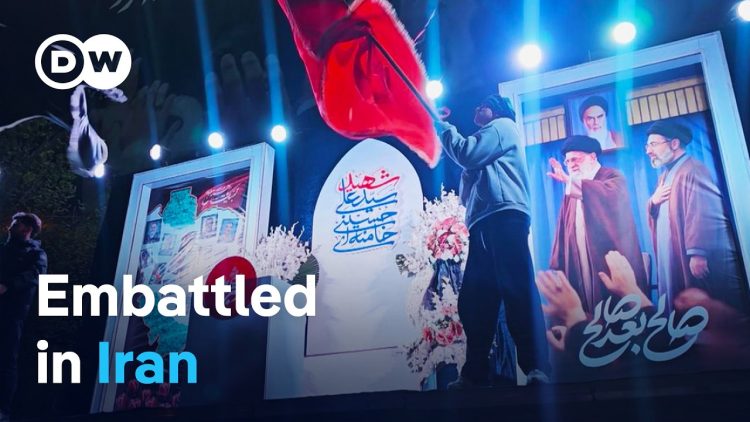
Iran: Diary from a warzone
These images were never supposed to be seen. That is the first thing this film tells you, and it is the fact that shapes everything that follows. In the middle of a war in Iran, two men secretly filmed their day-to-day lives — on their phones, without showing their faces, knowing the extraordinary risk they took every time they pressed record. What they captured is a diary: the ordinary texture of life in a country under bombardment, and under a regime that controls what the world is allowed to see.
The film’s setting is the war that began in early 2026. In January of that year, the Iranian regime brutally cracked down on mass protests across the country. After weeks of threats, the United States and Israel started a war against Iran on 28 February. In the early weeks of the war, two men in different parts of the country began to film: one in Tehran, the other in Baluchestan, in the south-east on the border with Pakistan. Their recordings are the film — smuggled out, assembled into a thirty-minute diary, and shown to a world that would otherwise have seen nothing of daily life in Iran.
What the two men record is the struggle between two pressures: internal repression and external attack. On one side, a regime that maintains tight control of the country’s media, and that, in the wake of the protests and the start of the war, instituted a near-total internet blackout, systematically preventing the flow of information inside and outside the country. On the other, a war fought from the air, with bombardments reaching into the cities where ordinary people live. The film’s power is that it shows both pressures at once: people trying to live ordinary lives while the state watches them and the bombs fall.
The method matters as much as the material. The men film without showing their faces. They film on phones, in the places they already are — their streets, their homes, their daily routines. There is no crew, no interviewer, no narration explaining what to think. The diary is literal — a record kept day by day, at personal risk, by people who may never be named.
By the end, the film has become something rarer than a war documentary. It is a piece of evidence smuggled past a blackout, and a reminder of what the blackout is for. The Iranian regime’s control of the media is not an abstract policy in this film; it is the reason these two men had to film in secret, and the reason their footage had to be smuggled out at all. The documentary closes as it began, with the images themselves — ordinary, unremarkable, and, because they were never supposed to be seen, extraordinary.
What the Film Explores
The film explores the diary first, and it is the documentary’s whole method. Two men, in two different parts of Iran, filming their daily lives on their phones. One in Tehran, the capital; the other in Baluchestan, in the south-east, on the border with Pakistan. The film does not explain why they chose to film, beyond the fact that they did, and that they understood the risk. The diary form gives the film its intimacy: there is no distance between the camera and the life it records, because the camera is in the life.
A second thread follows the war, and the film is at its most direct here. The January 2026 crackdown on mass protests, the weeks of threats, the start of the war on 28 February — the documentary lays out the sequence as it happened, and then shows what it felt like from the ground, in a city and a province where the bombardments arrived and daily life had to go on around them. The war in this film is not a map or a briefing. It is the sound and the waiting, in the streets where the two men live.
A third thread follows the blackout, and it is the film’s argument. The near-total internet blackout, imposed in the wake of the protests and the start of the war, was designed to stop information flowing in and out of Iran. The film exists because that design failed — or rather, because two men found a way around it. The documentary treats the blackout as the key to understanding everything else: a regime that controls the media controls the story, and the story this film tells is the one the regime did not want told.
Running through the film is the question of risk. The men film without showing their faces, and the film never names them. Every recording is a decision: to press record, to keep the footage, to find a way to get it out. These are not professional cameramen. They are two men with phones, in a warzone, filming what they see — and the film’s claim is that what they see is the truth the blackout was built to hide.
Key Themes & Topics Examined
- Two men, filming in secret on their phones
- Tehran and Baluchestan, two very different Irans
- The January 2026 crackdown on mass protests
- The war that began on 28 February 2026
- A near-total internet blackout, and the information it was built to stop
- Daily life under bombardment, and under repression
- Smuggled footage, and the risk of pressing record
- A film made in the face of media suppression
Production & Background
The film is a DW Documentary production, presented under the title Embattled in Iran — Diary From a Warzone. DW Documentary is the documentary channel of the German broadcaster Deutsche Welle, and this film follows its pattern of current-affairs documentaries built from first-hand material — in this case, footage that had to be smuggled out of the country to be seen at all.
The documentary’s subject is daily life in Iran during the war of 2026, as filmed by two men who chose to record it in secret. Its framing is the one the description gives: never-before-seen footage of daily life during the bombardments, made in the face of a near-total internet blackout.
Recommended Companion Viewing
Explore authoritative investigative documentaries on related historical events and investigative subjects.

Secret Mission: Former Child Soldier's Risks His Life To Save His Son
How a Scam and Chinese Spy Scandal Rocked the Philippines
Why Dictators Are Afraid of Literature
The Scramble to Rewrite Biden's Record on Gaza
Frequently Asked Questions
What is the film about?
Two men in Iran who secretly filmed their daily lives on their phones during the war of 2026 — one in Tehran, one in Baluchestan — and the diary their smuggled footage became.
Why was the footage filmed in secret?
The Iranian regime maintains tight control of the country’s media, and imposed a near-total internet blackout after the January 2026 protests and the start of the war. The men filmed without showing their faces, knowing the risk involved.
When did the war begin?
According to the film, the United States and Israel started the war against Iran on 28 February 2026, after the regime’s brutal crackdown on mass protests in January.
Where do the two men live?
One in the capital, Tehran, and the other in Baluchestan, in south-eastern Iran on the border with Pakistan.
Who made the film?
DW Documentary, as Embattled in Iran — Diary From a Warzone, a 30-minute film built from the smuggled recordings.







