Gothic architecture – When cathedrals reached up to the heavens
Gothic architecture emerged in France in the 12th century. This architectural style revolutionized church construction, creating cathedrals that soared skywards. But where did the knowledge and technology for building these monuments come from? This documentary attempts to unravel the mysteries and secrets of Gothic architecture — and of the master builders who kept them.
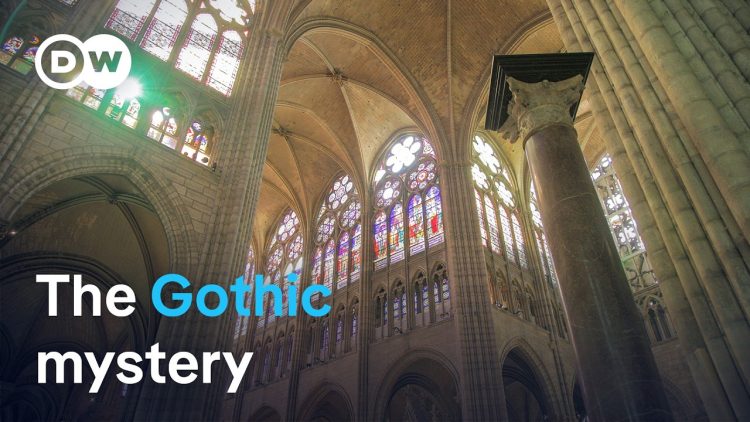
Light floods the interiors of Gothic cathedrals, which have colorful windows instead of solid walls. All told, the windows of Chartres Cathedral in France would cover an area larger than a football pitch. Another impressive example is St. Stephen’s Cathedral in Vienna, Austria, the federal capital’s iconic landmark. The film moves between these great buildings to show what the Gothic revolution actually felt like from the inside: not stone pressing down on the visitor, but light pouring in.
Ribbed vaults, pointed arches and flying buttresses became integral elements of the Gothic style. The mysticism of light inspired architects to install large windows that illuminated the interior and made visiting cathedrals a truly enlightening experience. Robust Romanesque construction gives way to the graceful, soaring architectural elements of Gothic style — and the film asks what secrets lie in the statics of the elongated columns, struts and pillars that hold it all up.
The answers can be found in this documentary, which features experts like Barbara Schock-Werner, former master builder of Cologne Cathedral. Through their explanations, the film shows how the Gothic builders solved problems that look impossible on paper: how to carry the weight of a stone vault on slender columns, how to open walls into windows without the building collapsing, and how to make a structure that seems to defy gravity.
The film also traces the lives of famous Gothic architects. They were universal geniuses, masters of architecture but also of physics, mathematics and chemistry. They kept their knowledge a closely guarded secret to maintain their monopoly and professional status — and the film follows the paradox of a style that was meant to be seen by everyone, built on knowledge that almost no one was allowed to share.
What the Film Explores
The film explores the revolution first: what changed when Gothic architecture emerged in France in the 12th century, and why it mattered. Romanesque churches were robust and heavy, their thick walls carrying the weight of the roof. Gothic builders found a way to lift that weight off the walls — with pointed arches, ribbed vaults and flying buttresses — and the wall itself could become a window. The result was a building that soared skywards instead of pressing down, and an interior flooded with light.
A second thread follows the light itself. The mysticism of light was central to the Gothic idea: large windows were not decoration but the point of the building, turning a visit to a cathedral into an enlightening experience in the most literal sense. The film gives the scale of that ambition — the windows of Chartres Cathedral alone would cover an area larger than a football pitch — and shows how the builders made glass, not stone, the true wall of the church.
A third thread follows the people who knew how to do it. The famous Gothic architects were universal geniuses, masters of architecture, physics, mathematics and chemistry, and they guarded their knowledge as a closely held secret to maintain their monopoly and professional status. The film traces their lives to show how a building tradition could be both one of the great public achievements of the Middle Ages and one of its best-kept secrets — and it features experts like Barbara Schock-Werner, former master builder of Cologne Cathedral, to explain the statics behind the soaring columns, struts and pillars.
Running through the film is the question it opens with: where did the knowledge and technology for these monuments come from? The answer it offers is not a single invention but a whole system — of arches and vaults and buttresses, of light and mathematics, and of masters who carried the knowledge in their heads because they could not afford to write it down for their rivals. The cathedrals reached up to the heavens, the film suggests, because the people who built them understood both the heavens and the stone.
Key Themes & Topics Examined
- Gothic architecture emerging in France in the 12th century
- Cathedrals that soared skywards
- The windows of Chartres Cathedral
- St. Stephen’s Cathedral in Vienna
- Ribbed vaults, pointed arches and flying buttresses
- The mysticism of light
- Barbara Schock-Werner, former master builder of Cologne Cathedral
- Gothic architects as masters of physics, mathematics and chemistry
Production & Background
The documentary is a DW Documentary production that attempts to unravel the mysteries and secrets of Gothic architecture. It moves between the great cathedrals — Chartres in France, St. Stephen’s in Vienna, Cologne in Germany — and features experts like Barbara Schock-Werner, former master builder of Cologne Cathedral, to explain the engineering behind the style.
The film’s structure follows the building itself: from the 12th-century emergence of the style in France, through the elements that define it — pointed arches, ribbed vaults, flying buttresses and great windows — to the lives of the master architects who invented it and guarded its secrets. Its closing image is the paradox at its heart: a style built to be seen by everyone, founded on knowledge almost no one was allowed to share.
Recommended Companion Viewing
Explore authoritative investigative documentaries on related historical events and investigative subjects.

The Lincoln Memorial: A Nation's Reflection
Inside A Perfectly-Preserved 15th-Century Medieval Manor House
Copenhagen - The world's greenest capital city?
Westminster Abbey: The Most Important Church in England
Frequently Asked Questions
What is this documentary about?
It unravels the mysteries of Gothic architecture — how 12th-century builders in France learned to make cathedrals soar skywards, and where their knowledge came from.
When did Gothic architecture emerge?
In France in the 12th century, revolutionizing church construction with cathedrals that soared skywards.
How big are the windows of Chartres Cathedral?
All told, they would cover an area larger than a football pitch — colorful windows instead of solid walls.
What are the key elements of the Gothic style?
Ribbed vaults, pointed arches and flying buttresses, all serving the mysticism of light that inspired architects to flood the interior with large windows.
Who were the Gothic architects?
Universal geniuses, masters of architecture, physics, mathematics and chemistry, who kept their knowledge a closely guarded secret to maintain their monopoly and professional status.