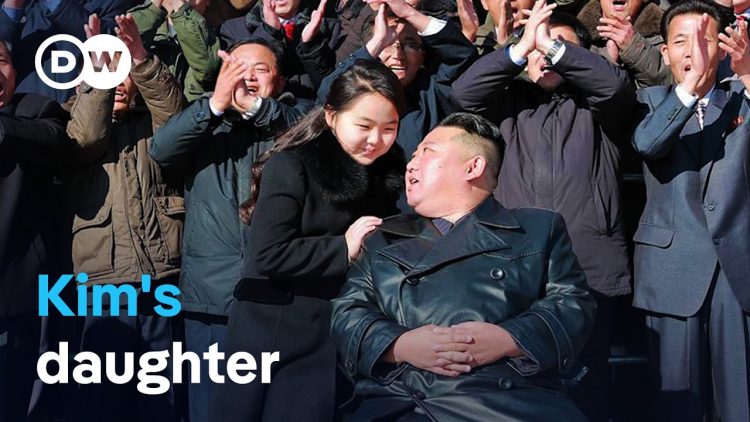
North Korea – Propaganda and the next generation
North Korea: a small country often at the center of global attention for geopolitical reasons. The Kim dynasty has ruled through oppression and isolation since 1948. Yet the regime is striving to project a new image — and this documentary looks behind the scenes to reveal the contradictions of a country caught between cautious openness and unrelenting control.
Luxury resorts, an international marathon in the capital and a ruling family portrayed in a surprisingly approachable light: recently, North Korea has been showing the world a very different face. Is the country, up until now known primarily for repression and isolation, undergoing an image change? The film follows that question through the new pictures the regime is releasing and the old realities that persist behind them.
On one hand, a new apparent openness is emerging through sporting events attended by carefully selected international participants. Images of what looks like a thriving economy are being disseminated beyond the country’s borders: online shopping in Pyongyang, idyllic beaches with modern holiday facilities, and even streaming services for wealthy North Koreans loyal to the regime. It is a carefully staged picture of a country that seems to be opening up.
State television shows cheerful locals treating themselves to a break at the seaside resort of Wonsan after toiling hard for the motherland. Around 80 percent of the population are now said to own a mobile phone — albeit with access restricted to state-approved North Korean apps. The modernity is real, but it runs on the regime’s terms.
Ruler Kim Jong Un is also embracing the image campaign, with more frequent public appearances alongside his daughter Kim Ju Ae. Is she being groomed to be a potential successor? Or is this family-centered turn intended to give the regime a more human face? The film asks both questions, and shows how the same appearances can serve two purposes at once.
At the same time, the state continues to crack down hard on any form of undesirable behavior. Archival footage and reports from refugee organizations document public trials of young people caught consuming South Korean pop culture. International experts emphasize that a change in the country’s public image by no means signifies an end to surveillance, punishment and censorship. The new face, the film concludes, is a mask over an unchanged system.
What the Film Explores
The film explores the new image first: the luxury resorts, the international marathon in the capital, the ruling family shown in a surprisingly approachable light. These are not accidents — they are a deliberate campaign to show the world a different North Korea, and the film takes the time to show exactly what that campaign looks like, from the staged beaches of Wonsan to the online shopping of Pyongyang.
A second thread follows the technology of control. Around 80 percent of the population are now said to own a mobile phone, and streaming services exist for wealthy North Koreans loyal to the regime — but access is restricted to state-approved North Korean apps. The film’s point is that modernity and control are not opposites in North Korea: the regime has learned to offer the outward signs of a connected life while keeping the connection firmly in its own hands.
A third thread follows the family at the center of the campaign. Kim Jong Un’s more frequent public appearances alongside his daughter Kim Ju Ae are the most watched images in the film’s story, and the documentary weighs the two readings: that she is being groomed as a potential successor, or that the family-centered turn is meant to give the regime a more human face. Either way, the film shows, the daughter’s appearances are part of the image, not separate from it.
Running through the film is the contrast between the image and the reality. Archival footage and reports from refugee organizations document public trials of young people caught consuming South Korean pop culture — the same pop culture that, in the new image, North Korea seems to be opening up to. International experts make the film’s central point explicit: a change in the country’s public image by no means signifies an end to surveillance, punishment and censorship. The country is caught between cautious openness and unrelenting control, and the film refuses to let the viewer forget either half of that.
Key Themes & Topics Examined
- The Kim dynasty’s rule since 1948
- Luxury resorts and an international marathon in Pyongyang
- Online shopping and streaming services for the loyal wealthy
- The Wonsan seaside resort on state television
- Mobile phones for around 80 percent of the population
- Kim Jong Un and his daughter Kim Ju Ae
- Public trials of young people caught with South Korean pop culture
- Surveillance, punishment and censorship behind the new image
Production & Background
The documentary is a DW Documentary production that looks behind the scenes of North Korea’s new public image. It draws on archival footage and reports from refugee organizations, alongside the assessments of international experts, to weigh the regime’s apparent openness against the control that continues beneath it.
The film’s structure follows the contradiction it describes: first the new image — the resorts, the marathon, the approachable ruling family — then the mechanisms of control that the image is designed to hide, from restricted mobile phones to public trials for consuming South Korean pop culture. A first part of the story exists alongside this film, and the two together form a fuller picture of a country in the middle of an image change.
Recommended Companion Viewing
Explore authoritative investigative documentaries on related historical events and investigative subjects.

Secret Mission: Former Child Soldier's Risks His Life To Save His Son
Fmr. Trump Envoy on Negotiating the Abraham Accords | Jason Greenblatt (Interview)
The Mölln Attacks - Surviving Racist Terror
What Iran’s Top Security Official Said About June 2025 U.S. and Israeli Strikes
Frequently Asked Questions
What is this documentary about?
It looks behind North Korea’s new, more open public image — luxury resorts, marathons and a smiling ruling family — and reveals the contradictions of a country caught between cautious openness and unrelenting control.
How long has the Kim dynasty ruled?
The Kim dynasty has ruled North Korea through oppression and isolation since 1948.
What does the new image look like?
Luxury resorts, an international marathon in the capital, online shopping in Pyongyang, idyllic beaches with modern holiday facilities, and streaming services for wealthy North Koreans loyal to the regime.
Who is Kim Ju Ae?
Kim Jong Un’s daughter, who has been appearing more frequently in public alongside him — possibly being groomed as a successor, or presented to give the regime a more human face.
Has the control actually loosened?
No. Archival footage and reports from refugee organizations document public trials of young people caught consuming South Korean pop culture, and international experts stress that the image change does not mean an end to surveillance, punishment and censorship.