Jealous Grandma’s Ridiculous Disguise Got Her Caught
When domestic disputes escalate behind closed doors or spill into broad daylight, the truth is often buried beneath layers of deception, false alibis and shocking family betrayals. That is the starting point of this special multi-case documentary feature from Crime Exposé, which brings together three baffling true crime mysteries — three mothers, three shocking crimes — and follows the detectives, forensic experts and grieving families who pieced them together.
The first case takes the film to Omaha, Nebraska, and the disappearance of Kimesha Hollis, a dedicated mother of three who vanishes overnight. When she fails to call her mother or show up for work, her family fears the worst. Her partner claims she vanished into the night, but surveillance footage, car drop-offs and critical testimony from her young daughter reveal a chilling tale of domestic violence and concealment. The film follows the case from the first worrying silence to the evidence that broke it open — including a tampered security camera and hidden blood evidence — and to a plea deal that left the family without closure.
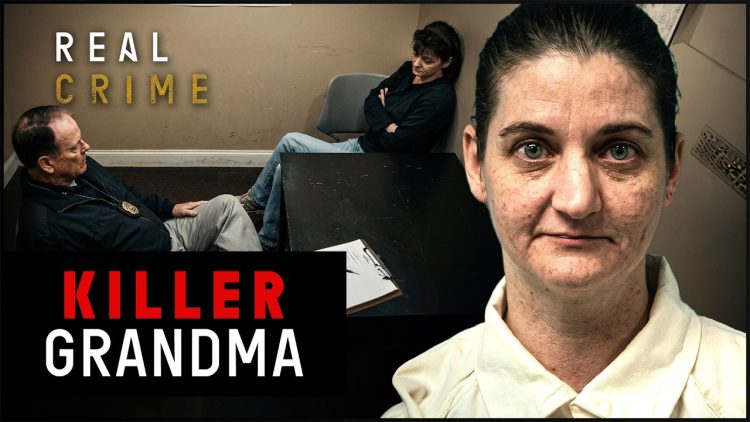
The second case is the one the film’s title points to. In Snellville, Georgia, 25-year-old florist Heather Strube thought taking extra precautions would keep her safe: she chose a crowded public parking lot for a routine child custody exchange. Instead, a figure disguised in a wig and mustache walked up and executed her in front of her 18-month-old son. The disguise, caught on surveillance, is the film’s most striking image — a ridiculous disguise, and a deadly one. The killer’s identity, the film shows, leads police straight to Heather’s inner circle, and to a mother-in-law’s unthinkable betrayal.
The third case takes the film to Pensacola, Florida, where pregnant mother Sameera Watkins heads out to visit her boyfriend, naval officer Zachary Littleton, and never returns. Days later, a locked duffel bag washes ashore, launching an urgent forensic hunt involving burner phones, unique paper towels and 4:00 AM surveillance evidence. The film follows the case as it unravels a double life — and as a missing earring provides the forensic breakthrough that brings it together.
Through all three cases, the film is hosted by investigative host Nancy O’Dell, and its method is the same in each: seasoned homicide detectives, forensic experts and grieving families piece together forensic clues, surveillance tapes and digital footprints to bring justice to the victims. Between the cases, the film pauses for safety spotlights — on breaking the cycle of domestic violence, on safe child custody exchange guidelines, and on protecting vulnerable women — turning each story into something more than a mystery: a warning, and a resource.
What the Film Explores
The film explores the Omaha case first, and it is a story about the signs that are easy to miss. Kimesha Hollis fails to call her mother and fails to show up for work, and those two small absences are the first alarm. The documentary follows the investigation as it moves from a partner’s claim — that she vanished into the night — to the evidence that contradicts it: surveillance footage, car drop-offs, a tampered security camera, hidden blood evidence, and, most powerfully, the testimony of her young daughter. The case, the film shows, was broken not by a single clue but by the accumulation of them.
A second thread follows the Snellville case, and the film is at its most unsettling here. Heather Strube did everything right: she chose a crowded public parking lot, in broad daylight, for a routine child custody exchange, because she believed the crowd would keep her safe. The film shows how that belief was shattered — a figure in a wig and mustache, caught on surveillance, walking up and shooting her in front of her 18-month-old son. The documentary’s interest is in the disguise and what it reveals: the killer’s identity leads police straight to Heather’s inner circle, and the case becomes a story about betrayal inside a family, not danger from outside it.
A third thread follows the Pensacola case, and here the film becomes a forensic puzzle. Sameera Watkins, pregnant, visits her boyfriend, a naval officer, and never returns. The trail goes cold until a locked duffel bag washes ashore, and the film follows the forensic hunt that follows: burner phones, unique paper towels, surveillance evidence from 4:00 in the morning, and finally a missing earring that provides the breakthrough. The documentary presents the case as a story about a double life — and about the small, physical details that expose one.
Running through the film is the question of what these three cases have in common. All three victims were mothers. All three cases turned on domestic relationships — a partner, a family, a boyfriend — and on the gap between what those relationships looked like from the outside and what they were. The film’s safety spotlights make the point explicit: breaking the cycle of domestic violence, safe custody exchange, protecting vulnerable women. The documentary is not only telling three mysteries. It is arguing that the patterns in them are knowable, and that knowing them can save lives.
Key Themes & Topics Examined
- Kimesha Hollis — a mother of three who vanishes overnight in Omaha
- A tampered security camera, hidden blood evidence, and a daughter’s testimony
- Heather Strube — a custody exchange in a crowded Snellville parking lot
- The wig and mustache disguise, caught on surveillance
- A mother-in-law’s betrayal, and the verdict
- Sameera Watkins — a pregnant mother who never returns in Pensacola
- Burner phones, a locked duffel bag, and a missing earring
- Safety spotlights: domestic violence, safe custody exchange, protecting vulnerable women
Production & Background
The film is a Crime Exposé feature presented by Real Crime, hosted by investigative host Nancy O’Dell. It is structured as a multi-case documentary, with three cases told in sequence — Omaha, Snellville and Pensacola — each with its own timestamps, and with safety spotlights between them.
The documentary’s structure follows the investigations themselves: the disappearance, the evidence, the breakthrough, and the outcome. Its sources are the people who worked the cases — seasoned homicide detectives, forensic experts and grieving families — and the evidence they gathered: forensic clues, surveillance tapes and digital footprints.
Recommended Companion Viewing
Explore authoritative investigative documentaries on related historical events and investigative subjects.

Cheating Groom Executes His Bride 2 Days Before Their Wedding
Mason Jenkins Most Shocking Confessions
Killer Husband Played The Victim And Lied On National TV
Frequently Asked Questions
What is this film about?
Three true crime cases, told as one multi-case feature: the disappearance of Kimesha Hollis in Omaha, the murder of Heather Strube in Snellville, and the disappearance of Sameera Watkins in Pensacola.
Who hosts it?
Investigative host Nancy O’Dell, presenting a Crime Exposé feature for Real Crime.
What happened in Snellville?
25-year-old florist Heather Strube was shot during a child custody exchange in a crowded public parking lot, in front of her 18-month-old son. The killer wore a wig and mustache disguise caught on surveillance, and the trail led police to her inner circle.
What broke the Pensacola case?
A locked duffel bag washing ashore launched a forensic hunt involving burner phones and 4:00 AM surveillance — and a missing earring provided the forensic breakthrough.
Why does the film include safety spotlights?
Between the cases, it pauses on breaking the cycle of domestic violence, safe child custody exchange guidelines, and protecting vulnerable women — turning each story into a warning and a resource.