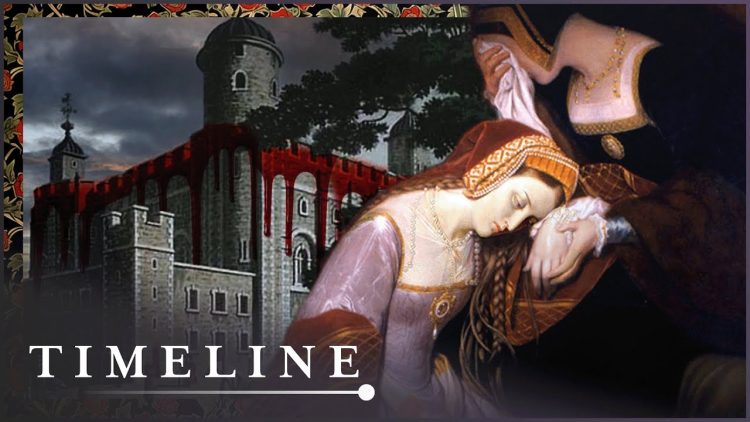
The Final Hours Of Anne Boleyn: The Most Shocking Execution In English History
It is the early morning of 19 May 1536. Just days ago, Anne Boleyn, Queen of England, stood trial at the Tower of London, accused of adultery, incest and treason. Now she awaits her fate. In this final episode of the series Anne Boleyn: Arrest, Trial, Execution, historian Tracy Borman traces the queen’s last, harrowing hours, from her final prayers to the moment of her execution on Tower Green, and asks what really happened on the morning Anne was executed.
Anne Boleyn’s story is one of the most famous in English history, and the film tells it through its ending. She had risen further than any woman of her age, from a lady-in-waiting at the court of Henry VIII to the queen herself, crowned in June 1533 after Henry had broken with Rome to marry her. She had given birth to a daughter, the future Elizabeth I, in September 1533, and for three years she had been at the centre of the English Reformation. And then, in the space of a few weeks in the spring of 1536, it all collapsed: arrested on 2 May, tried on 15 May, condemned to death, and executed four days later.
The film follows those last hours in detail, and it does so with access to original documents, to the haunting locations themselves, and to the personal artefacts that survive from Anne’s life. Borman uncovers new details of that fateful day: the king’s chilling order for a French swordsman, brought from Calais to carry out the execution, because Anne was to be beheaded by a sword rather than an axe; the final words Anne spoke on the scaffold; and the political motives behind her death. The film’s question is whether what happened on Tower Green was justice served, or the brutal silencing of a woman who had risen too far.
What makes the film work is its focus. It does not try to tell Anne’s whole life. It stays with her last hours, and it lets the details accumulate: the waiting, the prayers, the small kindnesses and the small cruelties of the Tower, and the crowd that gathered on Tower Green to watch a queen die. Anne Boleyn was almost certainly the victim of a political conspiracy, driven by Henry’s desire for a new wife, Jane Seymour, and by the ambitions of the men around him, above all Thomas Cromwell, and the charges against her were, in the judgement of most modern historians, fabricated. The film closes on Tower Green, where Anne died, and on the daughter she left behind, who would become one of England’s greatest monarchs.
What the Film Explores
The film explores Anne’s arrest and trial first, and the speed with which they happened. She was arrested on 2 May 1536, and within days her brother George, her friend Mark Smeaton and three other men had been arrested too, all accused of adultery with the queen, and Anne herself was accused of incest with her brother and of treason. The trial, on 15 May, was held before a jury that included her own uncle, and the verdict was a foregone conclusion. The film shows how the charges were built, and how little evidence there was for them, and it asks why a king would destroy the wife he had broken with Rome to marry.
It then turns to the last hours themselves, and to the details Borman uncovers. Anne spent her final days in the Tower, in the rooms in which she had stayed before her coronation, and the film follows her through those hours: her prayers, her conversations with her ladies, and her preparations for death. The king’s order for a French swordsman, brought from Calais, was a mark of favour of a strange kind, a quicker and cleaner death than the axe, and the film shows how Anne received the news, and how she spent the time she had left.
The film also explores the execution itself, and the words Anne spoke on the scaffold. She addressed the crowd, asked them to pray for her, and spoke of the king with a generosity that has been much discussed since, and then she knelt, and the swordsman struck. It treats it as what it was: the public killing of a queen, watched by a crowd, on a morning in May, and it lets the horror of it speak for itself.
Finally, the film looks at the motives, and at the men behind the charges. Henry wanted a new wife, Jane Seymour, and he wanted a male heir, which Anne, after the birth of Elizabeth and a series of miscarriages, had not given him. Thomas Cromwell, the king’s chief minister, had fallen out with Anne over foreign policy and over the distribution of the monasteries’ wealth, and he built the case against her. The film’s conclusion is that the execution was a political act, dressed up as justice, and that Anne Boleyn died because she had become inconvenient.
Key Themes
- The morning of 19 May 1536, and Anne Boleyn’s last hours in the Tower of London.
- The trial of 15 May, and the charges of adultery, incest and treason.
- The French swordsman from Calais, and the king’s order for a death by the sword.
- Anne’s final words on the scaffold, and the dignity with which she met her death.
- Henry VIII, and his desire for a new wife and a male heir.
- Thomas Cromwell, and the political conspiracy behind the charges.
- Tracy Borman, and the original documents and artefacts the film draws on.
- Elizabeth, the daughter Anne left behind, who would become one of England’s greatest monarchs.
Production and Background
The Final Hours Of Anne Boleyn was released by Timeline, the history channel of Little Dot Studios, as part of the History Hit network, and it runs for 44 minutes and 58 seconds. It was published on YouTube in October 2025, as the final episode of the series Anne Boleyn: Arrest, Trial, Execution, presented by historian Tracy Borman. Anne Boleyn was executed on Tower Green on 19 May 1536, and her daughter Elizabeth became queen in 1558.
Recommended Companion Viewing
Explore authoritative investigative documentaries on related historical events and investigative subjects.

Rare Footage From History's Biggest Turning Points
Black People in Nazi Germany - Lionel Romney's Survival in a Concentration Camp
Women of the Third Reich: The Other Face of Nazi Germany
9/11 The First Hours Minute By Minute
Frequently Asked Questions
When was Anne Boleyn executed?
She was executed on the morning of 19 May 1536, on Tower Green, in the Tower of London, four days after her trial on 15 May.
What was she accused of?
She was accused of adultery, incest with her brother George, and treason. Most modern historians believe the charges were fabricated.
Why was she executed by a swordsman?
Henry VIII ordered a French swordsman to be brought from Calais, so that Anne would be beheaded by a sword rather than an axe, a quicker and cleaner death.
Who was Tracy Borman?
She is the historian who presents the film, and the author of several books on the Tudor period. The film draws on her access to original documents, locations and artefacts.
What happened to Anne’s daughter?
Her daughter Elizabeth, born in September 1533, became queen in 1558, and reigned for forty-five years as one of England’s greatest monarchs.