3,300 Women, Just 20 Guards | Inside the Philippines’ Largest Women’s Prison
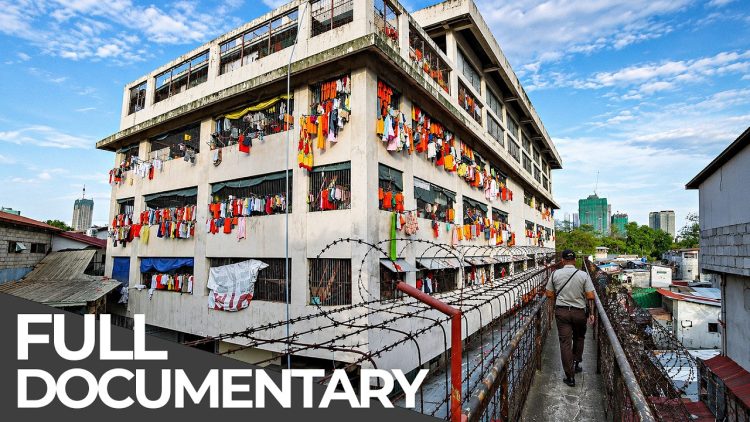
Inside the Philippines’ largest women’s prison, around 3,300 inmates are guarded by just 20 correction officers per shift. The prison — the Correctional Institution for Women near Manila — was designed for only 1,000 prisoners. It is severely overcrowded, and this two-part compilation takes the viewer inside it, to experience life on both sides of the bars.
The first part, Prisoners, follows the women inside. They struggle with cramped living conditions, limited water and almost no privacy. Three thousand three hundred people in a space built for a thousand means that every part of daily life is shared — the sleeping areas, the water, the air itself. The film shows what that does to a person over months and years: the loss of privacy, the constant negotiation of space, and the small routines that make an overcrowded life bearable.
The second part, Wardens, turns the camera around. The guards are unarmed women, and they face the daily challenge of maintaining order among thousands of inmates. Twenty officers per shift, against 3,300 prisoners, with no weapons — the arithmetic alone tells the story. The film shows how they do it: not through force, which they do not have, but through presence, routine, and the relationships they build with the women they guard.
What makes the film work is that it refuses to choose a side. It is a revealing look at survival, security and everyday life inside one of the Philippines’ toughest prisons, and it treats both halves of that life with the same attention. The prisoners’ struggle and the guards’ struggle are presented as two sides of the same overcrowding — the same numbers, the same building, the same daily negotiation of space and order.
By the end, the numbers are what stay with you. Three thousand three hundred women. Twenty guards. A prison built for a thousand. The film does not argue a case or propose a solution. It shows a place where the arithmetic of overcrowding shapes everything — what it means to sleep, to wash, to be safe, to be watched — and it leaves the viewer with the question the numbers ask: what does it do to people, on both sides of the bars, to live like this?
What the Film Explores
The film explores the numbers first, because the numbers are the story. Around 3,300 inmates, guarded by just 20 correction officers per shift, in a prison designed for only 1,000. The documentary presents those figures plainly and then shows what they mean in practice — not as statistics but as daily life. Every figure in the film is a fact about the building: how many people sleep in a room, how much water there is, how many officers are on duty.
A second thread follows the prisoners, in the first part of the compilation. They struggle with cramped living conditions, limited water and almost no privacy, and the film shows those struggles in the ordinary details of the day. The documentary’s interest is in the everyday: how you live when there is no space of your own, how you keep yourself together when privacy is impossible, and how a community of thousands of women organises itself inside walls built for a third of their number.
A third thread follows the wardens, in the second part. The guards are unarmed female officers, and their daily challenge is maintaining order among thousands of inmates with nothing but their presence. The film shows the other side of the overcrowding: the officers who have to keep the peace in a place where the numbers are against them, and who do it through routine and relationship rather than force. The documentary treats their work as the mirror image of the prisoners’ lives — the same building, the same arithmetic, seen from the other side of the bars.
Running through the film is the question of survival — not survival in the dramatic sense, but the daily kind. How do you survive a place like this, whether you are locked inside it or employed to run it? The film’s answer is that survival, on both sides, comes down to the small things: the routines, the relationships, the ways people make an impossible situation liveable. That is the revealing look the film promises, and it delivers it without sensationalism.
Key Themes & Topics Examined
- 3,300 inmates, guarded by just 20 correction officers per shift
- A prison designed for only 1,000 prisoners
- The Correctional Institution for Women near Manila
- Cramped living conditions, limited water, almost no privacy
- Part one: Prisoners — life inside the overcrowding
- Part two: Wardens — the other side of the bars
- Unarmed female guards maintaining order among thousands
- Survival, security and everyday life in one of the Philippines’ toughest prisons
Production & Background
The documentary is a Free Documentary production, presented as a two-part compilation: Prisoners, which runs from the start, and Wardens, which begins at 46 minutes and 6 seconds. Free Documentary describes itself as passionate about sharing the beauty and diversity of the world through high-quality documentaries available for free on YouTube.
The film’s structure follows the two parts in turn — first the prisoners, then the wardens — so the viewer experiences the same prison from both sides. A related film, Prison Girls — MSCC Women’s Prison, is linked in the description for viewers who want to see more of the same world.
Recommended Companion Viewing
Explore authoritative investigative documentaries on related historical events and investigative subjects.

America's Most Illegal Military Base
Why There Are So Many Different Hotel Brands
Why Barbie Matters
What Iran’s Top Security Official Said About June 2025 U.S. and Israeli Strikes
Frequently Asked Questions
How many people are in the prison?
Around 3,300 inmates, in the Correctional Institution for Women near Manila — the Philippines’ largest women’s prison.
How many guards are there?
Just 20 correction officers per shift, guarding around 3,300 inmates. The guards are unarmed women.
What was the prison built for?
Only 1,000 prisoners. The film describes it as severely overcrowded.
What do the prisoners struggle with?
Cramped living conditions, limited water and almost no privacy, according to the film.
What does the film show?
Life on both sides of the bars, in two parts: Prisoners, then Wardens — a revealing look at survival, security and everyday life inside one of the Philippines’ toughest prisons.