
Food History: Enlightenment Dining | Let’s Cook History | Free Documentary History
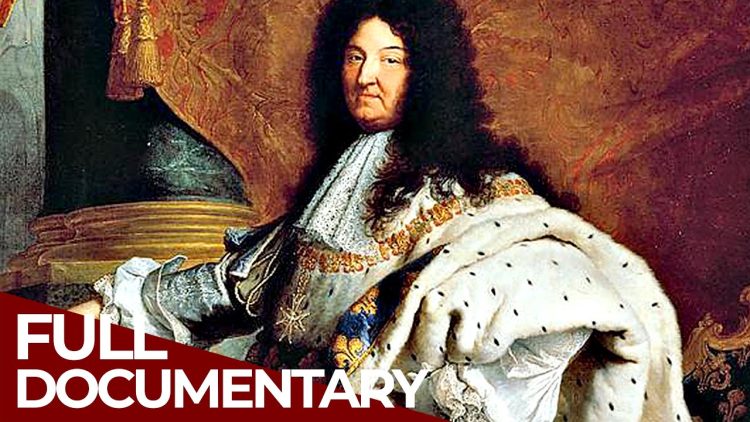
Under Louis XIV at the Palace of Versailles, the standards for all the courts of Europe were set. Unparalleled banquets, fuelled by the horticultural innovations in the palace gardens, were the foundations for the quality-emphasised dishes provided for the aristocracy.
The banquet was politics as much as cooking. Louis XIV, who reigned from 1643 to 1715, turned dining into theatre: courses arrived in strict order, dishes were displayed before they were eaten, and the king’s taste set the fashion for every court in Europe. The gardens of Versailles, where the royal gardener Jean-Baptiste de La Quintinie grew out-of-season fruit and vegetables for the table, were part of the performance, and the film shows how the kitchen and the garden worked together to produce a cuisine that was, for the first time, about quality and refinement rather than sheer quantity.
Then the new arrivals began. The first shipment of coffee into Marseille came in 1644, brought back from Constantinople, and by 1660 bales were being imported from Egypt; a coffee house opened in Marseille in 1661, and when the Turkish ambassador Suleiman Aga arrived in Paris in 1669 with a large quantity of coffee, the fashion caught on at court. Coffee became renowned for its brain stimulation, and the coffee house became a new kind of public room, where people gathered to talk, argue and do business. Chocolate, introduced to the French court by Anne of Austria in 1615, became an obsession among the rich, and sugar, grown on Caribbean plantations, began its long democratisation, moving from a luxury spice to an everyday ingredient.
The episode’s most surprising stories are the inventions. The first ever sandwich, named for John Montagu, the fourth Earl of Sandwich, who in the eighteenth century is said to have asked for meat between slices of bread so he could eat without leaving the gaming table, appears in the film as a symbol of a new, informal way of eating. The coffee house led, in time, to the restaurant: in about 1765 a Parisian soup-seller named Boulanger began selling restorative broths, called “restaurants” from the French verb restaurer, to restore, and his shop near the Louvre is credited as the first restaurant in the modern sense. And the sauces that accompanied the dishes — the butter-based sauces codified by La Varenne in Le Cuisinier francois in 1651, the book that launched modern French cuisine — became the signature of the new cooking. The film closes with the thought that the Enlightenment did not only change what Europe thought. It changed what Europe ate, and the menu has never gone back.
What the Film Explores
The film explores food as power. At Versailles, a banquet was a statement about who the king was and who his guests were, and the film shows how the kitchen became an instrument of statecraft: the gardens, the courses, the service and the sauces all said something about the grandeur of France.
It also explores food as trade. Coffee, chocolate, sugar and the potato all arrived in France from somewhere else, carried by ships, merchants and empires, and each one changed French cooking in a different way. Coffee changed how people spent their time, chocolate changed what the rich craved, sugar changed what everyone could afford, and the potato, once it was accepted, changed what the poor could eat.
Finally, the film explores food as invention. The sandwich, the coffee house, the restaurant and the modern sauce were all invented, or at least named, in this period, and they are all still with us. The episode’s reconstruction of an Enlightenment meal is not nostalgia: it is an argument that the way we eat now — dining out, drinking coffee, eating on the move — was invented in the eighteenth century, and that we are still living in the world it made.
Key Themes
- Versailles: under Louis XIV, banquets set the standard for every court in Europe, with the palace gardens supplying out-of-season produce.
- Coffee: first shipped to Marseille in 1644, coffee became the brain-stimulating drink of the age, and the coffee house became a new public room.
- Chocolate and sugar: chocolate reached the French court in 1615, and sugar moved from luxury to everyday ingredient.
- Peas and chantilly cream: the upper classes prized green peas and whipped cream, while the poor ate potatoes, long thought fit only for livestock.
- The potato: Antoine-Augustin Parmentier’s campaign, crowned by a scientific prize in 1773, finally persuaded France to eat the tuber.
- The sandwich: named for the Earl of Sandwich, it symbolised a new, informal way of eating.
- The restaurant: Boulanger’s restorative broths in Paris around 1765 gave the world the restaurant, from the French word restaurer, to restore.
Production and Background
The film is an episode of Let’s Cook History, a five-part series from Free Documentary History that explores the origins of our eating habits by reconstructing a famous meal from a different period in history, showing the evolution of tastes, customs and world trades that have shaped our cuisine.
One of its stories needs a note of caution, and the film’s own historians would agree: the tale that Francois Vatel invented chantilly cream at the great festivities at Chantilly in 1671 is a legend. Vatel did organise the three-day reception for Louis XIV at Chantilly in 1671, and he did take his own life during the preparations when a delivery of fish arrived late. But no contemporary evidence connects him to whipped cream, and the name “Chantilly” is first linked to the preparation more than a century later.
Recommended Companion Viewing
Explore authoritative investigative documentaries on related historical events and investigative subjects.

1942: The Complete Story Of The Battle Of Stalingrad
9/11 - The Day That Changed The World
The Insane Real Engineering of the Nazi Enigma Machine
Frequently Asked Questions
When did coffee reach France? Coffee was first brought to Marseille in 1644, from Constantinople, and bales were imported from Egypt from 1660. A coffee house opened in Marseille in 1661, and coffee became fashionable in Paris after the Turkish ambassador Suleiman Aga arrived in 1669 with a large supply.
What is the origin of the word restaurant? It comes from the French verb restaurer, meaning to restore. In about 1765 a Parisian soup-seller named Boulanger sold restorative broths called “restaurants”, and his shop near the Louvre is credited as the first restaurant in the modern sense.
Who invented the sandwich? The sandwich is named for John Montagu, the fourth Earl of Sandwich, an eighteenth-century English aristocrat who is said to have asked for meat between slices of bread so he could eat without leaving the gaming table.
Why did the French not eat potatoes? The potato arrived from the Americas in the sixteenth century, but in France it was long regarded as fit only for livestock, and cultivation was even banned from 1748. The pharmacist Antoine-Augustin Parmentier, who had eaten potatoes while a prisoner in Prussia, campaigned for it, won a scientific prize in 1773, and helped get the ban lifted.
More to watch
- Chef Boyardee: Bringing Italian Cuisine to America
- The Man in the Iron Mask: France’s Greatest Secret Revealed
- Off to Scotland – Happiness, Solitude and Oysters
- China’s plan to never run out of food
- When the rains cease to fall – Indian farmers left alone
Food is also a story of migration, and Chef Boyardee: Bringing Italian Cuisine to America shows how one Italian chef carried his cooking across an ocean.







