How heatwaves impact our lives
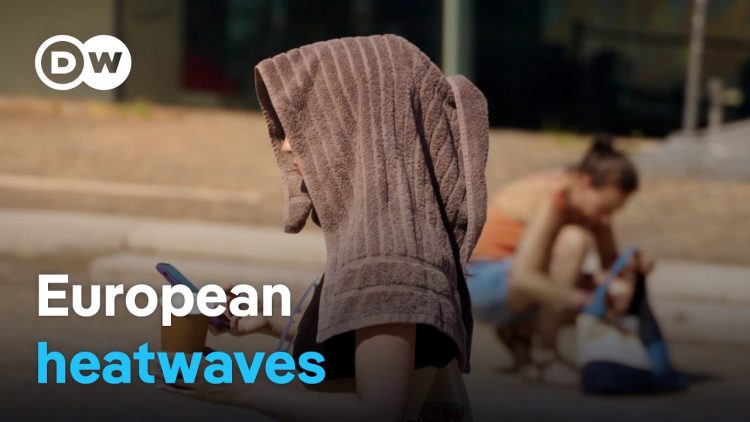
Heatwaves are occurring more and more frequently, lasting longer and becoming more intense. In Europe, temperature records are constantly being broken, and one question has scientists particularly concerned: how hot will it get in the future? This documentary explores the diverse effects heatwaves have on our lives — and the adaptation strategies that scientists and cities are now developing in response.
The film opens in Seville, where physicist José María Martín-Olalla has been studying the human cost of extreme heat. During a heatwave with peak temperatures of 45 degrees, he says, an increase in excess mortality of 30 to 40 percent is expected in the city. He heads a project that aims to make the inhabitants of the Andalusian metropolis more aware of the danger posed by heat — and one of its strategies is giving impending heatwaves names, so that people treat them with the seriousness they deserve.
Such measures are becoming increasingly important, the film argues, because we have underestimated heatwaves and their consequences for far too long. Although our bodies can fall back on a number of cooling mechanisms, we are reaching our limits faster than previously expected — as a human physiologist from the Dutch research organization TNO explains. Heat is not just uncomfortable; it pushes the human body toward the edge of what it can cope with.
The thermal load is particularly high in cities, where concrete and asphalt store heat and release it through the night. The record summer of 2003 in Paris led to apocalyptic conditions, the film recalls, and according to climate experts, temperatures of 50 degrees Celsius cannot be ruled out for the French capital in the future. What was once unthinkable is now part of the planning conversation.
But heatwaves also pose enormous challenges outside of cities. In Andalusia, coupled with prolonged periods of drought, they are endangering harvests — the same region where Seville’s researchers are working. And temperatures are also rising dangerously in the Mediterranean. From the city street to the farm field to the sea itself, the film shows a heat reality that is already here, and asks what adaptation options are available to us in the face of it.
What the Film Explores
The film explores the human body first: how we cool ourselves, and where those cooling mechanisms fail. Sweating, blood flow to the skin and other responses can only do so much, and the physiologist from the Dutch research organization TNO explains why we are reaching our limits faster than previously expected. When the heat keeps coming day after day, the body never gets the chance to recover — and that is when the danger becomes deadly.
A second thread follows the cities, where heat is at its most intense. Seville’s project to name heatwaves is one example of how cities are trying to make an invisible danger visible, giving residents a reason to take precautions before the hottest days arrive. Paris in 2003 is the warning from the past, and the prospect of 50 degrees in the French capital is the warning for the future. The film makes the point that urban heat is not a natural disaster that arrives from nowhere — it is built into the way cities are made.
A third thread takes the story into the countryside and the sea. In Andalusia, heat combined with prolonged drought is endangering harvests, threatening the livelihoods of the people who grow the region’s food. In the Mediterranean, temperatures are rising dangerously too, with consequences for marine life and for the coastal communities that depend on it. The heat does not stop at the city limits.
Running through all of this is the question the film keeps returning to: what impact have heatwaves had on our lives so far, how will they develop in the future, and what adaptation options are available to us? The scientists in Europe who are seeking answers do not offer a single solution — they offer a set of them, from naming heatwaves to redesigning cities to rethinking how we farm, and the film leaves the viewer with the sense that adaptation is no longer a choice for the future but a task for the present.
Key Themes & Topics Examined
- Why heatwaves are more frequent, longer and more intense
- The 30 to 40 percent rise in excess mortality during 45-degree heat in Seville
- Naming heatwaves to make people aware of the danger
- The limits of the human body’s cooling mechanisms
- The record summer of 2003 in Paris
- The prospect of 50 degrees Celsius in Paris
- Heat and drought endangering harvests in Andalusia
- Rising temperatures in the Mediterranean
Production & Background
The documentary is a DW Documentary production that follows scientists in Europe as they study heat and its consequences. Its central voices include physicist José María Martín-Olalla in Seville, who leads a project on heat awareness in the Andalusian metropolis, and a human physiologist from the Dutch research organization TNO, who explains the limits of the body’s cooling mechanisms.
The film moves between the city and the countryside — from Seville and Paris to the farms of Andalusia and the waters of the Mediterranean — to show that heatwaves touch every part of life. Its structure follows the questions it poses: what impact have heatwaves had so far, how will they develop, and what can we do to adapt?
Recommended Companion Viewing
Explore authoritative investigative documentaries on related historical events and investigative subjects.

Climate change – living on the water
The Global North taken to court - Who pays for the climate catastrophe?
Climate protection from moors
Climate change: Europe's melting glaciers
Frequently Asked Questions
What is this documentary about?
It explores the diverse effects heatwaves have on our lives — on our bodies, our cities, our harvests and the sea — and presents the adaptation strategies scientists are developing.
How deadly can a heatwave be in Seville?
According to physicist José María Martín-Olalla, during a heatwave with peak temperatures of 45 degrees, an increase in excess mortality of 30 to 40 percent is expected in the city.
Why give heatwaves names?
Naming an impending heatwave is one strategy to make inhabitants more aware of the danger it poses, so they take it seriously before the hottest days arrive.
What happened in Paris in 2003?
The record summer of 2003 led to apocalyptic conditions in the French capital, and climate experts say temperatures of 50 degrees Celsius cannot be ruled out there in the future.
How do heatwaves affect farming?
In Andalusia, heatwaves coupled with prolonged drought are endangering harvests, while temperatures are also rising dangerously in the Mediterranean.