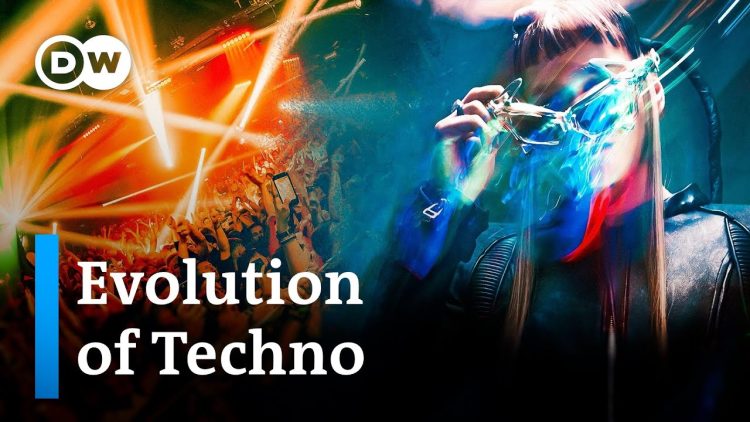
How Techno Shapes the Future
Techno is harder, faster and more diverse than ever. That is the starting point of this episode of Arts Unveiled, which asks where techno is today, caught between underground, culture and commerce, and where it is going next. The film looks back before it looks forward, because the future of techno, it argues, cannot be understood without the story of where the hype began.
That story starts in Detroit. In the 1980s, a group of young Black musicians in the Michigan city, including Juan Atkins, Derrick May and Kevin Saunderson, began making a new kind of electronic music, fusing the machine rhythms of Kraftwerk and the funk of George Clinton with the sounds of the city around them. They called it techno, and it was music made for the future, cold and mechanical on the surface, warm and human underneath. From Detroit, the sound travelled to Berlin and Frankfurt, where it found a second home in the clubs and warehouses of a newly reunified Germany.
From there, the film traces how techno spread and changed. In the 1990s it moved from the underground into the mainstream, its beats turning up in pop music and its culture spilling out of clubs and into the streets. The Love Parade in Berlin, which began as a small demonstration in 1989 and grew into a gathering of hundreds of thousands, became the most visible symbol of that moment: a moving party that was also, in its own way, a claim that the city belonged to everyone.
Today, the lines between subculture and mainstream have long been blurred. Techno has become a mainstream phenomenon, and the film shows what that means in practice. A young generation discovered techno on social media, and for many of them the dress code of the scene, including fetish wear, is as much a part of the culture as the music. DJs are no longer only people who move dance floors; they are entrepreneurs who need to perform just as well online as they do on stage, building audiences, brands and businesses around their sound.
The film ends with a question that hangs over the whole scene. Techno has always carried a promise of unity, summed up in the old slogan of peace, joy and freedom, and a reputation for being colourful, open-minded and tolerant. But is it really as open as its reputation? The film asks whether that history needs to be rewritten, and which DJs are leaving their mark on the genre now, as it keeps evolving.
What the Film Explores
The film explores the origins of techno first, in Detroit in the 1980s, where the sound was invented by musicians working with drum machines and synthesisers in a city that was itself in decline. The film shows how Detroit’s industrial landscape, its empty factories and its African-American musical heritage, shaped a sound that was futuristic because it had to be: it was music about a future that had not arrived yet, made by people who were building it themselves.
It then follows techno to Germany, and to the particular moment of the fall of the Berlin Wall, when empty buildings in the east of the city became clubs and the sound found a home that was bigger and freer than anything in Detroit. Berlin and Frankfurt became the twin capitals of European techno, and the film shows how the music changed as it crossed the Atlantic, becoming harder, faster and more communal.
The film also explores how techno took over pop music, with its beats and textures spreading into chart music through the 1990s and beyond, and how the genre kept splitting into new styles. Hard techno, melodic techno, industrial techno and many other variants each have their own scenes, their own clubs and their own audiences, and the film treats that diversity as a sign of health rather than confusion.
Finally, the film looks at the present, and at the tension between the scene’s founding ideals and its commercial reality. The message the film quotes, be yourself, everything is allowed, sits alongside a world in which DJs are businesses and festivals are industries. The film asks who techno belongs to now, and whether a culture that began in Detroit’s underground and Berlin’s warehouses can keep its promise of openness as it becomes a global mainstream.
Key Themes
- Detroit in the 1980s, where techno was invented by Juan Atkins, Derrick May and Kevin Saunderson.
- Berlin and Frankfurt, and how German clubs gave techno a second home.
- The Love Parade and techno’s move from underground to mass culture.
- New styles and the endless splitting of the genre since the 1990s.
- Social media, TikTok ravers and a new generation discovering techno online.
- DJs as entrepreneurs, performing online as well as on stage.
- The promise of unity: peace, joy, freedom, and whether it still holds.
- Who techno belongs to now, and where the music goes next.
Production and Background
How Techno Shapes the Future is an episode of Arts Unveiled, the culture strand of DW History and Culture, and it runs for 26 minutes. Its chapters move from the beginnings of the hype, through techno’s takeover of pop music and the creation of new styles, to the present day, closing with the question of who is pushing the boundaries now. The photographs credited in the episode are by Paris Seawell and Detroit Law, a reminder of how much of techno’s history is carried in images of its clubs and its crowds.
Recommended Companion Viewing
Explore authoritative investigative documentaries on related historical events and investigative subjects.

How Howdy Doody Changed Children's TV Forever
How these Oscar Winners Changed Movie History
Frequently Asked Questions
Where did techno begin?
Techno was created in Detroit in the 1980s by musicians including Juan Atkins, Derrick May and Kevin Saunderson, and it then spread to Berlin and Frankfurt.
What was the Love Parade?
The Love Parade was a techno parade and festival in Berlin that began as a small demonstration in 1989 and grew into a gathering of hundreds of thousands, becoming a symbol of techno culture.
How has techno changed since the 1990s?
It has moved from the underground into the mainstream, split into many new styles, and become a global culture in which DJs are also entrepreneurs with online audiences.
What does the film mean by the spirit of techno?
The film refers to techno’s long-standing promise of openness and unity, summed up in the slogan of peace, joy and freedom, and asks whether the scene still lives up to it.
Why is techno popular with a young generation now?
Many young listeners discovered techno on social media, and the film shows how platforms like TikTok have brought the music, and its dress codes, to a new audience.