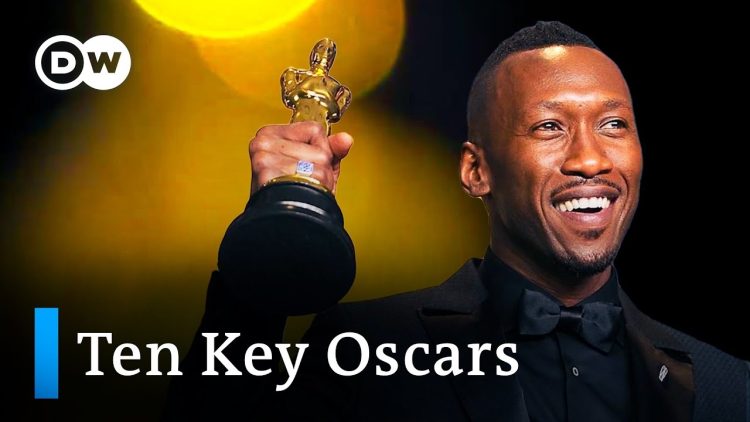
How these Oscar Winners Changed Movie History
Hollywood’s influential Academy of Motion Picture Arts and Sciences has honoured hundreds of films and filmmakers since the first Oscars ceremony in 1929. Many recipients have since fallen into obscurity, while some have changed film history. The awards are lauded as a cultural zeitgeist, sparking debate and driving social change. In this episode of Arts Unveiled, ten formative Oscar winners are presented, exploring their historical significance and their impact on contemporary culture. The question the film asks is simple: are the Oscars a reflection of society?
The story begins in 1940, with Hattie McDaniel, the first African-American actor to receive an Oscar, for her performance in the 1939 antebellum drama Gone with the Wind. The film itself is heavily criticised for its sanitised portrayal of slavery and racial discrimination, but McDaniel’s win was a milestone, paving the way for numerous Black actors in Hollywood. The film treats her achievement as both a triumph and a reminder of how much remained unchanged: one Oscar did not transform an industry.
And yet, for decades to come, the Oscars remained primarily the domain of Hollywood’s elite inner circle, white and self-absorbed. The film traces the slow breaking of that circle through the films that challenged it: Citizen Kane in 1942, which the film credits with inventing American cinema; Dalton Trumbo in 1954, whose story broke the Hollywood blacklist; Midnight Cowboy in 1970, which the film says liberated Hollywood; and Quentin Tarantino in 1995, who blew Hollywood up. Each of these wins marked a moment when the Academy recognised something it had previously ignored or feared.
The film then turns to the modern era, and to the winners who changed the face of the Oscars. Kathryn Bigelow was the first woman ever to win an Oscar for best director, in 2010, for the war drama The Hurt Locker, and her award further bolstered discussions about greater gender equity in film production. Barry Jenkins broke through the glass ceiling when his film Moonlight won the Oscar for best picture in 2017, a coming-of-age story centring on a gay, Black lead, hailed as a film that ushered in a new era of African-American film in Hollywood.
The final chapters look at how the Oscars went global and went streaming. Roma, in 2019, made the Oscars love streaming, as a film made for a streaming platform won the Academy’s highest honours. Ruth Carter, also in 2019, highlighted African cultures with her costume design win. And Parasite, in 2020, helped the Oscars go global, becoming the first non-English-language film to win best picture. These are ten films that not only entertained audiences, but changed cinema, and, arguably, the world.
What the Film Explores
The film explores the early history of the Oscars first, and it wants the viewer to understand what the awards were. The first ceremony was in 1929, and for decades the Oscars were the private celebration of a small industry, honouring its own. The film shows how the awards became a cultural event, watched around the world, and how that attention turned them into a battleground over who gets recognised and who does not.
A second thread follows the breaking of barriers, and the film is at its most powerful here. Hattie McDaniel’s win in 1940, Kathryn Bigelow’s in 2010, and Moonlight’s in 2017 are presented as three moments when the Academy’s doors opened a little wider. The film is honest about the limits of each moment: McDaniel won for a film that sanitised slavery, Bigelow was the first woman to win best director more than eighty years after the awards began, and Moonlight’s win was announced after the wrong film was named first. Progress, the film suggests, is real, but it is slow and uneven.
A third thread follows the films that changed the art itself. Citizen Kane is presented as the film that invented American cinema, with its deep focus, its fractured narrative and its ambition. Dalton Trumbo’s story is the story of the blacklist, and of a writer who broke it by working in secret. Midnight Cowboy is presented as the film that liberated Hollywood, bringing adult themes and a new realism to the screen. Tarantino is presented as the filmmaker who blew Hollywood up, remaking its language in the 1990s. Each of these wins, the film argues, changed what a film could be.
Running through the film is the question of what the Oscars are for, and the film’s closing chapters look at the global turn. Roma and Parasite are presented as the moment the Oscars stopped being an American prize and became a world prize, and Ruth Carter’s win is presented as the moment African culture was celebrated on the Academy’s biggest stage. The film closes on the question it opened with: are the Oscars a reflection of society? Its answer is that they are, but with a delay, and that the delay is the story.
Key Themes & Topics Examined
- The first Oscars in 1929, and the awards as a cultural zeitgeist
- 1940: Hattie McDaniel breaks the colour barrier
- 1942: Citizen Kane invents American cinema
- 1954: Dalton Trumbo breaks the Hollywood blacklist
- 1970: Midnight Cowboy liberates Hollywood
- 1995: Quentin Tarantino blows up Hollywood
- 2010: Kathryn Bigelow, the first woman to win best director
- 2017: Moonlight changes the face of Hollywood
- 2019: Roma, Ruth Carter, and the streaming and global turns
- 2020: Parasite helps the Oscars go global
Production & Background
The film is a DW History and Culture production, part of the Arts Unveiled series, which looks at the stories behind art, culture and history. The episode presents ten formative Oscar winners, and its chapters run from the introduction through Hattie McDaniel in 1940, Citizen Kane in 1942, Dalton Trumbo in 1954, Midnight Cowboy in 1970, Quentin Tarantino in 1995, The Hurt Locker in 2010, Moonlight in 2017, Roma in 2019, Ruth Carter in 2019, and Parasite in 2020, to the conclusion.
The documentary’s subject is the history of the Academy Awards through ten films that changed cinema, and its framing is the one the description gives: the Oscars are lauded as a cultural zeitgeist, sparking debate and driving social change, and the ten winners presented are films that not only entertained audiences, but changed cinema and, arguably, the world. Ethnic minorities and women remain grossly underrepresented at the Oscars, the film notes, and Hollywood and the Academy could still do a lot more to support diversity in cinema.
Recommended Companion Viewing
Explore authoritative investigative documentaries on related historical events and investigative subjects.

Frequently Asked Questions
What is the film about?
Ten Oscar winners that changed film history, from Hattie McDaniel in 1940 to Parasite in 2020, and what each one says about Hollywood and the society it reflects.
Who was the first African-American Oscar winner?
Hattie McDaniel, who won in 1940 for her performance in Gone with the Wind, paving the way for numerous Black actors in Hollywood.
Who was the first woman to win best director?
Kathryn Bigelow, in 2010, for the war drama The Hurt Locker.
What was the first non-English-language best picture winner?
Parasite, which won best picture in 2020 and helped the Oscars go global.
Who made the film?
DW History and Culture, as part of its Arts Unveiled series.