
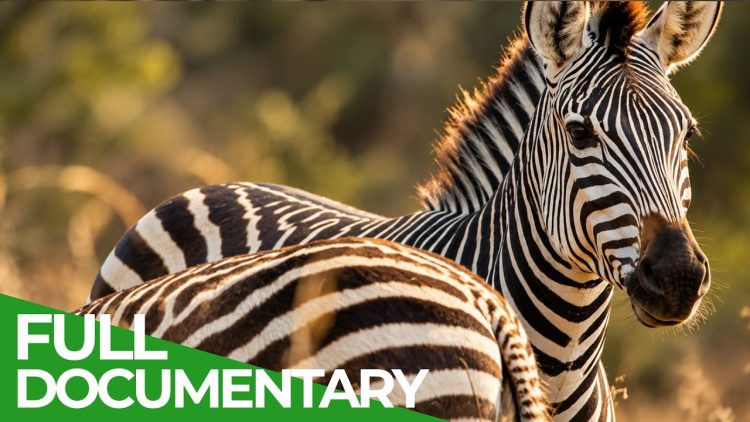
Zebras: Stars With Stripes
Step into the African savannah and discover the extraordinary world of zebras. From prowling lions and hidden crocodiles to scorching drought and the desperate search for water, every day is a test of survival. But behind those famous stripes lies an animal full of surprises: clever, resilient, and stronger together. This film follows zebras through the seasons of the savannah, showing what it takes to live in one of the most demanding landscapes on Earth.
The zebra is one of the most recognisable animals in the world, and the film begins with the question everyone asks: why the stripes? No two zebras have the same pattern, and the stripes are as individual as a fingerprint. Scientists have proposed many explanations over the years, from camouflage to confusing predators to deterring biting flies, and the film explores the leading ideas without pretending the question is settled. What is certain is that the stripes are not decoration: they are part of how the animal survives.
The film follows the herd, because the zebra is above all a social animal. Zebras live in family groups, and the groups come together into herds that can number in the hundreds. There is safety in numbers: many eyes watching for lions, many ears listening for danger, and many bodies to confuse a predator trying to pick out a single target. The film shows the herd on the move, grazing, drinking, and keeping watch, and it shows how the bonds between mothers and foals, and between the members of a family group, hold the herd together.
But the savannah is not kind, and the film does not look away from the dangers. Lions prowl the grassland, and the film shows the herd’s response: the alarm calls, the sudden flight, the way the animals close ranks and run as one. Crocodiles wait in the rivers the zebras must cross to drink, and the film shows the tension at the water’s edge, where thirst and danger meet. Drought is the third enemy, and the film follows the zebras as the waterholes shrink and the grass turns to dust, and the herd must travel further and further to survive.
By the end, the film has become a portrait of resilience. The zebra survives not because it is the strongest animal on the savannah, or the fastest, or the most dangerous, but because it is adaptable, social, and stubborn. It lives in a landscape that tries to kill it every day, and it does so by sticking together, by staying alert, and by enduring. The stripes, the film suggests, are the symbol of that survival: bold, unmistakable, and entirely its own.
What the Film Explores
The film explores the stripes first, and it treats them as a mystery worth taking seriously. Each zebra’s pattern is unique, and the film shows how researchers use the stripes to identify individuals, just as humans are identified by fingerprints. The leading theories get their hearing: that stripes break up the animal’s outline in the grass, that they make it harder for a lion to single out one zebra in a running herd, and that they confuse the biting flies that plague the savannah. The film does not settle the debate, but it shows why the question matters.
A second thread follows the herd, and the film is at its most affectionate here. Zebras groom each other, rest their heads on each other’s backs, and keep their foals close. The film shows the social life of the savannah: the family groups, the bachelor herds, the stallions that guard their mares, and the way the herd moves as a single organism when danger appears. It is a reminder that the zebra’s greatest defence is not its speed or its kick, but the group around it.
A third thread follows the predators, and the film gives them their due. Lions are the zebra’s main enemy, and the film shows the hunt from both sides: the lioness stalking through the grass, and the herd’s alarm, flight and confusion. Crocodiles are the second threat, waiting where the zebras must drink, and the film shows the crossing of a river as a moment of real peril. The film does not sentimentalise the savannah: it is a place where every day is a test, and not every zebra passes it.
Running through the film is the rhythm of the seasons, and the film’s closing chapters follow the zebras through drought. When the rains fail, the grass dies back, the waterholes shrink, and the herd must travel long distances to find food and water. The film shows the cost of that journey, in exhaustion and in lives lost, and the resilience it demands. The documentary closes on the herd moving on, as it always does, because on the savannah, standing still is not an option.
Key Themes & Topics Examined
- The stripes: unique to every zebra, and a mystery still debated
- The herd: safety in numbers, and bonds that hold it together
- Lions on the prowl, and the alarm that saves the herd
- Crocodiles at the water’s edge, where thirst meets danger
- Drought, and the long search for water
- Mothers and foals, and the next generation of the herd
- The savannah as a test of survival, every single day
- Resilience: clever, social, and stronger together
Production & Background
The film is a Free Documentary – Nature production, part of the channel’s series on the animals of the African savannah. Free Documentary – Nature is the nature channel of the Free Documentary network, which aims to provide high-quality documentaries on YouTube for free, working with renowned filmmakers and production studios and using the best practices in nature documentary filmmaking.
The documentary’s subject is the life of zebras on the African savannah, and its framing is the one the description gives: from prowling lions and hidden crocodiles to scorching drought and the desperate search for water, every day is a test of survival, and behind the famous stripes lies an animal that is clever, resilient and stronger together. The film is also listed under the titles Stripes in the Savannah: A Zebra’s Life and Zebras: Stripes in the Savannah.
Recommended Companion Viewing
Explore authoritative investigative documentaries on related historical events and investigative subjects.

The Gulf Stream: Warming the North Atlantic
Mexico Untamed: At the Crossroads of the Wild
Nature's Social Network
Masai Mara: African Wildlife Stories
Frequently Asked Questions
What is the film about?
The life of zebras on the African savannah, from lions and crocodiles to drought and the search for water, and the surprising animal behind the famous stripes.
Why do zebras have stripes?
No two zebras share the same pattern. The leading theories are camouflage, confusing predators in a running herd, and deterring biting flies; the film explores them without claiming the question is settled.
What is a zebra’s greatest defence?
The herd. Zebras live in family groups that gather into large herds, with many eyes watching for danger and many bodies to confuse a predator.
What dangers do zebras face?
Lions on the grassland, crocodiles at the rivers where they drink, and drought, which shrinks the waterholes and forces long journeys for food and water.
Who made the film?
Free Documentary – Nature.







