Mexico Untamed: At the Crossroads of the Wild
Mexico sits at a crossroads of the wild. Deserts meet oceans along its coasts, ancient jungles hide in its interior, and the meeting of temperate and tropical worlds makes the country one of the most biologically diverse places on Earth. This film travels across that richness, from the depths of the Pacific to the heart of the rainforest, in search of the animals that make Mexico a wildlife paradise.
The journey begins in the ocean. Powerful great white sharks patrol the clear waters off Mexico’s Pacific coast, while majestic whale sharks, the largest fish in the sea, glide through the same waters on a very different mission. The film sets these two giants side by side: one an apex hunter built for speed and power, the other a gentle filter feeder that strains tiny plankton from the water. Together they show how much variety a single stretch of ocean can hold.
On land, the film turns to the creatures that are harder to find. Elusive predators move through the shadows of the jungle and the open ground of the desert, animals that are rarely seen even by the people who live alongside them. The cameras follow their tracks and their habits, building a picture of a country where every habitat, from scorched sand to dripping rainforest, supports its own cast of hunters and hunted.
Then comes the spectacle that draws the eye upward and inward at once: millions of migrating butterflies. Every year, monarch butterflies travel thousands of kilometres from the United States and Canada to spend the winter clustered on the fir trees of the mountains of Michoacan in central Mexico. The film captures the moment when the forest itself seems to move, as clouds of orange wings rise from the branches in the warming sun.
What holds the film together is the idea of the crossroads itself. Mexico is where North and South America meet, where the Pacific and the Atlantic nearly touch, and where desert, mountain, jungle and ocean sit within a single country’s borders. The animals here are the product of that meeting, and the film treats each one as a reminder of how much depends on keeping these habitats intact.
What the Film Explores
The film explores Mexico’s oceans first, and the contrast between its two most famous sharks. Great white sharks gather in numbers around Guadalupe Island, a remote volcanic island off Baja California, drawn by the elephant seals and sea lions that live there. The island’s exceptionally clear water, often with visibility of more than 30 metres, has made it one of the best-known places in the world to see these animals in the wild. Whale sharks, meanwhile, are found in the warm waters of the Sea of Cortez and off the Yucatan Peninsula, where they arrive to feed in seasonal gatherings. They can grow to the length of a bus, yet they eat some of the smallest creatures in the sea.
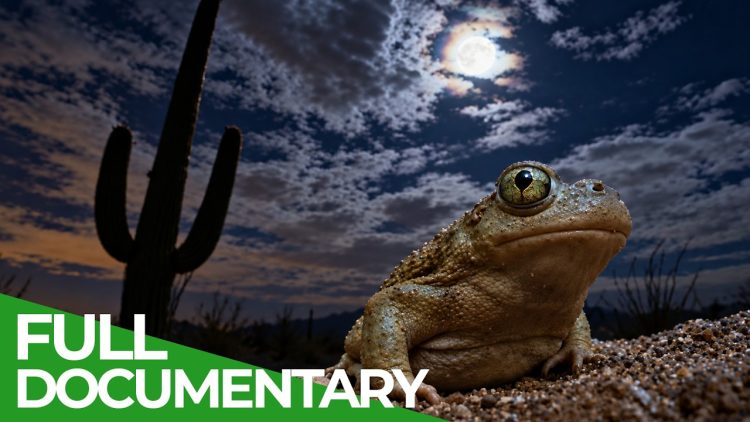
The film then moves inland to the dry country. Mexico’s deserts, including the vast Chihuahuan Desert and the Sonoran Desert of the north-west, look empty at first glance but are full of animals adapted to heat, drought and sudden cold. Snakes, lizards and small mammals live by rules the film makes visible: hunt at dawn and dusk, shelter through the heat of the day, and waste nothing, not even water.
The rainforest is the third world the film enters. In the jungles of the south, the canopy is layered with life, from the forest floor to the treetops, and the animals that live there have evolved to move through it in very different ways. The film shows how the rainforest shelters species found nowhere else, and how its dense cover makes its predators, above all the jaguar, so difficult to see even when they are close.
Finally, the film explores the monarch migration, one of the great natural events of the Americas. The butterflies that arrive in Michoacan are the great-great-grandchildren of the ones that left the previous spring, yet they navigate back to the same small patches of oyamel fir forest their ancestors occupied. The overwintering colonies are protected within the Monarch Butterfly Biosphere Reserve, a UNESCO World Heritage Site, and the film treats the migration as the clearest proof of all that Mexico’s wildlife is connected to the whole continent, not just to Mexico itself.
Key Themes
- Mexico as a meeting point of continents, oceans and climates, and what that means for its wildlife.
- Great white sharks around Guadalupe Island and the clear Pacific waters that make them visible.
- Whale sharks, the ocean’s largest fish, feeding gently on plankton in warm Mexican seas.
- The monarch butterfly migration, one of the longest insect migrations on Earth.
- Desert survival, and how animals endure heat and drought in Mexico’s arid north.
- Rainforest life, and the hidden world of the jungle canopy and forest floor.
- Elusive predators and the patience needed to film animals that are rarely seen.
- Conservation, and why Mexico’s habitats matter far beyond its borders.
Production and Background
Mexico Untamed was released by Free Documentary Nature, a channel that publishes full-length nature documentaries from production studios around the world. The film runs for 48 minutes and was published in November 2026. Its structure follows the classic nature documentary pattern, moving from one habitat to the next, but its subject is unusually broad: rather than following a single species, it tries to show the range of a whole country. The monarch migration it features has been studied for decades, and the reserve that protects the overwintering colonies was inscribed as a UNESCO World Heritage Site in 2008.
Recommended Companion Viewing
Explore authoritative investigative documentaries on related historical events and investigative subjects.

Eat Or Be Eaten: Reef Predators
The Wild Heart Of Spain
High-Tech Shark Deterrence - Australia's New Strategy for Safe Beaches
Can Trees Save the Planet?
Frequently Asked Questions
What animals does the film show?
Great white sharks and whale sharks in the Pacific, elusive predators on land, and millions of migrating monarch butterflies, alongside the wider wildlife of Mexico’s deserts, jungles and oceans.
Where do the monarch butterflies go in Mexico?
They gather in the oyamel fir forests of the mountains of Michoacan, in central Mexico, where they spend the winter clustered on the trees before flying north again in spring.
Where are Mexico’s great white sharks found?
The best-known gathering place is Guadalupe Island, off the coast of Baja California, where sharks are drawn by the island’s seal and sea lion colonies and the exceptionally clear water.
Are whale sharks dangerous?
No. Whale sharks are filter feeders that eat plankton and other tiny organisms, and they are known as gentle animals despite being the largest fish in the sea.
Why is Mexico so rich in wildlife?
Mexico sits where North and South America meet, and it contains deserts, mountains, rainforests and two oceans within its borders, giving it an unusually wide range of habitats in a single country.