
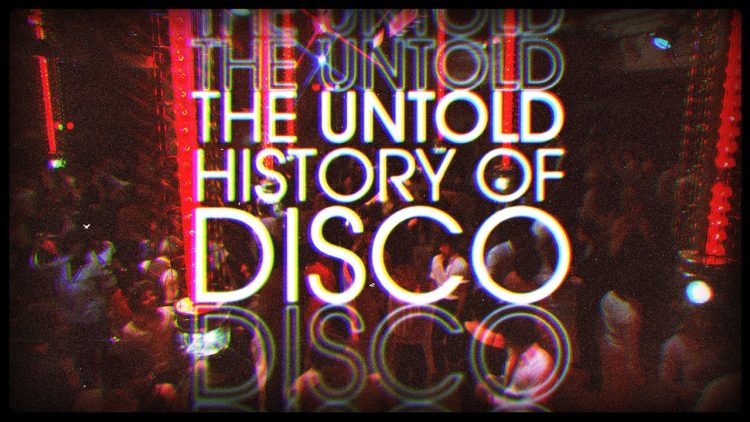
The Untold History of Disco
Disco is one of the most misunderstood sounds in popular music. To some it is a punchline, a decade of glitter and platform shoes that burned out in a backlash. To others it is the foundation of almost everything that came after it in dance music. This film sets out to tell the untold history of disco, and its argument is that the story most people know is only the ending — the part that happened after disco had already changed music forever.
The film starts where disco started: on the dance floor. Disco was not invented in a boardroom or a recording studio. It grew out of clubs, out of rooms full of people dancing to records played by DJs who learned, night after night, what made a crowd move. The documentary follows that thread from the underground to the mainstream, showing how a sound built for dancing became the biggest thing in pop — and how quickly the mainstream turned on it.
What makes the story untold, the film suggests, is who disco belonged to before it belonged to everyone. The clubs where disco took shape were spaces for people who did not have many spaces of their own, and the music carried that history in it: the pulse, the strings, the long builds, the sense of release. The documentary treats disco as a culture before it was a chart phenomenon, and it asks what was lost when the culture was stripped away and only the sound remained.
The film also looks at the backlash, and at what it really meant. Disco did not fade away gently. It was rejected loudly, publicly, and with a fervour that the documentary presents as revealing in itself. The film asks why a style of music that made so many people happy provoked so much anger — and what the anger was really about. The answers it offers are about more than music: they are about who gets to decide what counts as serious, and who gets to decide what counts as fun.
By the end, the film has reframed disco entirely. It is not a fad that came and went, but a turning point: the moment dance music became a form in its own right, the moment the DJ became an artist, and the moment the club became a place where music was made rather than merely played. The untold history, the film argues, is the story of how disco built the world that dance music still lives in — and why that story deserves to be told properly.
What the Film Explores
The film explores the origins first: the clubs and the DJs, and the way a sound built for dancing took shape night after night. Disco’s history, as the film tells it, is a history of rooms — of what happens when people gather to dance, and of how the music in those rooms evolves to serve the dance. The documentary is interested in the mechanics of that evolution: the long intros, the steady beat, the way a record could be extended and reworked to keep a floor moving.
A second thread follows the rise, and the film is at its most vivid here. Disco went from the clubs to the charts with extraordinary speed, and the documentary follows that journey — the records, the artists, the moment when the sound of the underground became the sound of the mainstream. It is a story of success, but the film keeps returning to the question of what success cost: what happened to the culture when the music left the rooms that made it.
A third thread follows the backlash, and the film treats it as the most revealing part of the story. The rejection of disco was not a quiet fading of interest. It was loud, organised and angry, and the documentary asks what lay behind the anger. Its suggestion is that the backlash was never really about the music — it was about who disco belonged to, and about the discomfort of a mainstream that had embraced a sound without embracing the people who made it.
Running through the film is the legacy — the part of the story that is still being written. The documentary argues that disco never really died. Its techniques, its instruments, its way of building a track around a beat and a build, live on in the dance music that followed it. The film’s closing argument is that to understand modern pop and dance music, you have to understand disco — not the caricature of it, but the real history, the one that started on a dance floor.
Key Themes & Topics Examined
- Disco before the mainstream — the clubs where the sound took shape
- The DJ as artist, and the dance floor as a place where music is made
- From the underground to the charts: the speed of disco’s rise
- What was lost when the culture was stripped away and only the sound remained
- The backlash — loud, public, and revealing
- Who disco belonged to, and who got to decide what counts as serious music
- The techniques that lived on: the beat, the build, the long mix
- Disco’s legacy in the dance music that followed
Production & Background
The film is a Polyphonic production, from the channel’s series of music documentaries and video essays. Polyphonic is known for long-form explorations of music history, and this film follows that pattern: a single subject, traced from its origins to its legacy, with the emphasis on the parts of the story that the usual telling leaves out.
The documentary is presented as a history in the full sense — not a list of hits, but an account of a culture, its rise, its rejection, and its afterlife. Its images are drawn from the archive, and its argument is built around a single claim: that the untold history of disco is the story of how dance music became what it is.
Recommended Companion Viewing
Explore authoritative investigative documentaries on related historical events and investigative subjects.

Frequently Asked Questions
What is the film about?
The untold history of disco — the story of how the sound grew out of dance clubs, conquered the mainstream, faced a fierce backlash, and shaped the dance music that followed.
Who made it?
Polyphonic, the music documentary channel, which also offers the film ad-free on Nebula.
Where did disco start?
On the dance floor, in clubs, where DJs learned night after night what made a crowd move. The film treats disco as a culture before it was a chart phenomenon.
Why was there a backlash against disco?
That is one of the film’s central questions. Its suggestion is that the backlash was never really about the music — it was about who disco belonged to.
Did disco really die?
No, the film argues. Its techniques, its instruments and its way of building a track live on in the dance music that followed — disco built the world modern dance music still lives in.







