How Mandela Changed South Africa | From Prison To President
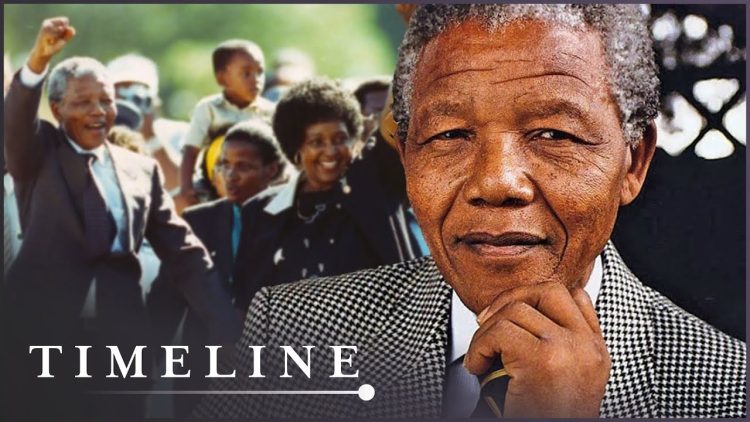
This is a moving and intimate portrait of Nelson Mandela, filmed on the campaign trail in the days leading up to South Africa’s first democratic election. It is not a film about Mandela’s whole life, and it does not need to be. Its power comes from its moment: the weeks before 27 April 1994, when South Africans of all races would vote together for the first time, and when the man who had spent twenty-seven years in prison was about to become their president.
The film follows Mandela as he travels the country, speaking to crowds, meeting voters and carrying the campaign of the African National Congress into every corner of South Africa. The election was set for 27 April 1994, and the ANC opened a hundred election offices and held People’s Forums across the country at which Mandela could appear, a popular figure with great status among black South Africans. The film captures what those meetings felt like: the crowds, the songs, the sense that something that had seemed impossible for a lifetime was about to happen.
What the film shows, without needing to say it, is how much Mandela had already changed. When he was released from prison on 11 February 1990, after twenty-seven years behind bars, eighteen of them on Robben Island, he was a symbol of resistance. By 1994 he had become something else: a negotiator, a campaigner and a leader who had to persuade not only his own supporters but the whole country, including the white minority that had ruled it, that a democratic South Africa could work. The film shows him doing that work, face to face, in the towns and townships of the campaign trail.
The campaign the film follows was built on a promise. The ANC campaigned on a Reconstruction and Development Programme, to build a million houses in five years, to introduce universal free education and to extend access to water and electricity. It was a programme aimed at the millions of South Africans who had lived under apartheid without those things, and the film shows Mandela making that case, again and again, to the people who had the most to gain from it.
By the end, the film has brought the viewer to the edge of the election itself. The ANC would win about 62 per cent of the vote, and Mandela would be inaugurated as South Africa’s first black president on 10 May 1994, the first head of state elected in a fully representative democratic election. The film does not show that moment, but it shows the days that made it possible, and the man who made it happen.
What the Film Explores
The film explores the campaign first, and the country it travelled through. South Africa in early 1994 was a country on the edge of its own future, and the film shows Mandela moving through it, from the cities to the rural areas, speaking to crowds that had waited a lifetime to vote. The footage is intimate, shot close to its subject, and it gives a sense of Mandela not as a statue but as a working politician, tired, patient and determined.
It then turns to the man, and to what the campaign cost him. Mandela had spent twenty-seven years in prison, eighteen of them on Robben Island, and he was seventy-five years old when the film was shot. The film does not dwell on his imprisonment, but it is present in every frame: in the discipline with which he works, in the calm with which he speaks, and in the authority that a lifetime of sacrifice had given him. He had been released in 1990, and in the four years since he had negotiated with President F. W. de Klerk to end apartheid, a process that had brought both men the Nobel Peace Prize in 1993.
The film also explores the danger of the moment. The election was held in the shadow of violence, and the assassination of the ANC leader Chris Hani in April 1993 had brought the country close to erupting. Mandela had addressed the nation after Hani’s death, appealing for calm, and the negotiators had been galvanised into setting a firm date for the election. The film’s campaign trail runs through a country that knew how easily the whole thing could still fall apart.
Finally, the film looks at what Mandela was offering, and at what it meant. The Reconstruction and Development Programme was a promise to the millions who had lived without houses, schools, water and electricity, and the film shows Mandela making it to the people themselves. It closes on the threshold of the election, with the country about to vote, and with the sense that the man on the screen had already changed South Africa, by surviving its prisons and by refusing, when he was free, to seek revenge for them.
Key Themes
- The campaign trail, and the intimate footage of Mandela in the weeks before the 1994 election.
- Twenty-seven years in prison, eighteen of them on Robben Island, and the authority they gave him.
- His release on 11 February 1990, and the negotiations with F. W. de Klerk that followed.
- The Nobel Peace Prize of 1993, shared with de Klerk for ending apartheid.
- The assassination of Chris Hani in 1993, and the violence that threatened the election.
- The Reconstruction and Development Programme, and its promises of houses, schools, water and electricity.
- The election of 27 April 1994, and the ANC’s victory with about 62 per cent of the vote.
- Reconciliation, and Mandela’s refusal to seek revenge for his imprisonment.
Production and Background
How Mandela Changed South Africa was released by Timeline, the history channel of Little Dot Studios, and it runs for 50 minutes and 14 seconds. It was published on YouTube in April 2024, and the footage it contains was filmed on the campaign trail in the days leading up to South Africa’s first democratic election, on 27 April 1994. Mandela was inaugurated as president on 10 May 1994, and served until 1999, and he died in December 2013, at the age of ninety-five.
Recommended Companion Viewing
Explore authoritative investigative documentaries on related historical events and investigative subjects.

Brandenburg Gate: Enduring Symbol of Berlin
1943-1945: The Complete Story Of The WW2 Italian Campaign
Frequently Asked Questions
When was South Africa’s first democratic election?
It was held on 27 April 1994. South Africans of all races voted together for the first time, and the ANC, led by Nelson Mandela, won about 62 per cent of the vote.
How long was Mandela in prison?
He served twenty-seven years in prison, eighteen of them on Robben Island, before his release on 11 February 1990.
What was the Reconstruction and Development Programme?
It was the ANC’s election programme, promising to build a million houses in five years, to introduce universal free education and to extend access to water and electricity.
Who was Chris Hani?
He was a senior ANC leader whose assassination in April 1993 brought South Africa close to erupting into violence, and galvanised the negotiators into setting a firm date for the election.
When did Mandela become president?
He was inaugurated as South Africa’s first black president on 10 May 1994, after winning the country’s first fully representative democratic election.