
Insane Stories from the Early Days of MTV
A cable channel that played music videos all day and all night sounded like a joke in 1981. Within a few years, MTV was the most powerful force in popular culture, able to make stars almost overnight, changing how records were marketed and leaving a lasting stamp on film, advertising, fashion and television itself.
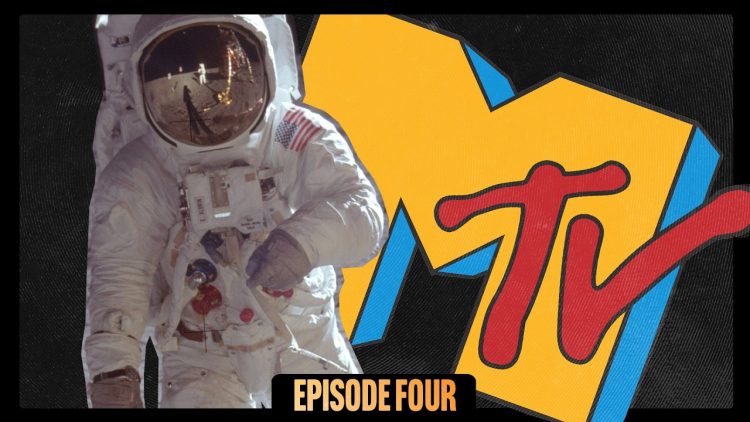
MTV went on the air just after midnight on 1 August 1981, with a simple and untested idea. The channel was created by Warner-Amex Satellite Entertainment, a joint venture of Warner Communications and American Express, and shaped by executives including John Lack and Robert Pittman, a young radio programmer who borrowed the channel’s structure from rock radio: a rotating playlist of videos introduced by personable hosts. It opened with a recorded voice — Lack himself — announcing “Ladies and gentlemen, rock and roll”, over footage of the Apollo 11 moon landing, with an MTV flag replacing the American one. Its first clip was the Buggles’ “Video Killed the Radio Star”, a choice that doubled as a mission statement, and the five original VJs were Nina Blackwood, Mark Goodman, Alan Hunter, J. J.
The early months were chaotic. The library of usable videos was thin, so the same clips appeared over and over, and many of them came from British new wave acts that had been making videos for years. At launch the channel reached only a small slice of American homes and could not be seen in New York or Los Angeles. The business model was unusually lean: because the record labels provided videos as promotion, MTV paid little or nothing for most of its programming, and it earned money from advertising and from fees paid by cable operators. In 1982 MTV launched its aggressive “I Want My MTV” campaign, with rock stars appearing in commercials urging viewers to call their local cable companies and demand the channel.
What followed was the Second British Invasion. Visually striking acts such as Duran Duran, Culture Club, the Eurythmics and Def Leppard — bands that understood the camera — became stars in America on the strength of their videos, while American acts that had ignored the format were left behind. The channel’s influence showed most clearly in the moments that became legend: Michael Jackson’s “Thriller” video, which debuted on 2 December 1983 and helped make Thriller the biggest-selling album in history; and the first MTV Video Music Awards on 14 September 1984, where Madonna performed “Like a Virgin” in a bustier and wedding gown, rolling around the stage in a performance that scandalised parents and made her a superstar. By the time The Real World launched in 1992, MTV was no longer a music channel that sometimes showed other things — it was a cultural institution that happened to have started with music videos.
What the Film Explores
The film explores how a bad idea became a good business. The premise of MTV — a channel with no scripted shows, no news, no sports, just music videos introduced by young hosts — was, by the standards of 1981 television, absurd.
It also explores the accident at the heart of MTV’s success. The channel did not set out to start a British invasion; it simply had more British videos than American ones, because British labels had been making promotional clips for years while American labels had not.
Finally, the film explores the moment MTV stopped being innocent. The early stories are funny — the thin video library, the repeated clips, the scramble for content — but the later ones are about power: the channel that could make or break a record, the videos that cost hundreds of thousands of dollars, the awards show that became a stage for scandal.
Key Themes
- The launch: 1 August 1981, “Ladies and gentlemen, rock and roll”, and the Buggles’ “Video Killed the Radio Star” as the first video ever played.
- The five original VJs: Nina Blackwood, Mark Goodman, Alan Hunter, J. J. Jackson and Martha Quinn, the hosts who gave the channel its voice.
- The thin library: in the early months the same clips played over and over, mostly from British acts who had been making videos for years.
- “I Want My MTV”: the 1982 campaign that got viewers to demand the channel from their cable companies, and took it into New York and Los Angeles.
- The Second British Invasion: Duran Duran, Culture Club, the Eurythmics and Def Leppard conquered America on the strength of their videos.
- Thriller: Michael Jackson’s video, debuting 2 December 1983, helped make Thriller the biggest-selling album in history.
Production and Background
The film is a video essay by Polyphonic, the YouTube channel of music writer Noah Lefevre, whose book Century of Song — about the most important music of the last hundred years — is promoted in the description. Polyphonic’s essays are known for their deep research and their willingness to tell music history as a story rather than a list, and this one follows that method: it is built around the well-documented facts of MTV’s launch and early years, and it presents them as a series of stories rather than as a chronology.
MTV’s early years are now a matter of record, and the channel’s own history has been told many times — but the Polyphonic telling is useful because it captures the strangeness of the moment: a channel that nobody in the record business took seriously, built by people who were mostly in their twenties, becoming, within three years, the most important platform in popular music. The channel went on to launch The Real World in 1992, the first modern reality show, and to reinvent itself again and again.
Recommended Companion Viewing
Explore authoritative investigative documentaries on related historical events and investigative subjects.

Grace Potter's Lynchian Road Trip
The Joy of "I Spy" Album Covers
This Giant Synth Changed Stevie Wonder's Life
A World Without Beethoven?
Frequently Asked Questions
When did MTV launch? Just after midnight on 1 August 1981, with the words “Ladies and gentlemen, rock and roll” and the Buggles’ “Video Killed the Radio Star” as the first video.
Who were the original VJs? Nina Blackwood, Mark Goodman, Alan Hunter, J. J. Jackson and Martha Quinn.
What was the Second British Invasion? The wave of British acts — Duran Duran, Culture Club, the Eurythmics, Def Leppard and others — who became stars in America in the early 1980s largely through their music videos on MTV.
What happened at the first MTV Video Music Awards? On 14 September 1984, Madonna performed “Like a Virgin” in a bustier and wedding gown, rolling around the stage.
More to watch
- The Untold History of Disco
- The healing power of music – How does music impact us?
- The global rise of afro house music
- Music in Nazi Germany – The maestro and the cellist of Auschwitz
- How Kyle Gordon Makes Music Funny
MTV was not the first time music and television collided, and The Untold History of Disco tells the story of the dancefloor revolution that came just before it.







