Destination Wild: Wild Islands – Falkland Islands
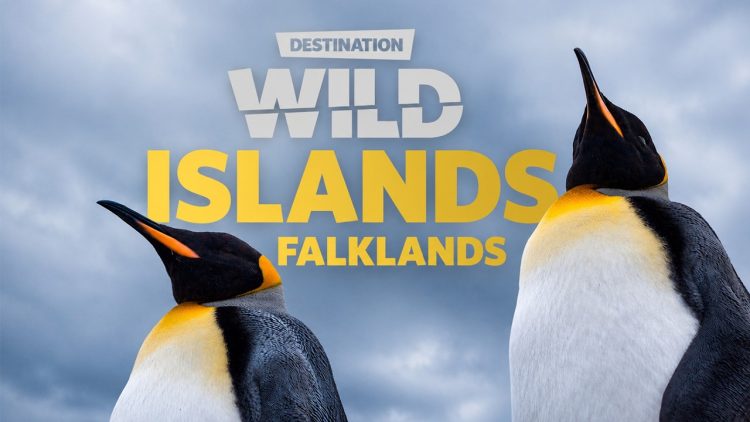
The Falkland Islands are a remote and windswept wilderness, a chain of islands in the South Atlantic where rugged cliffs, stormy seas and unspoiled coastlines provide a haven for millions of seabirds and marine mammals. This film is a journey to one of the wildest island chains on Earth, and it shows a place where the struggle for survival plays out in the open, on beaches crowded with penguins and in seas patrolled by orcas.
The film begins with the penguins, and the Falklands are one of the great penguin places of the world. Brave rockhopper penguins, with their spiky yellow crests, climb the cliffs to their colonies. King penguins stand in their thousands on the beaches, tall and vivid against the grey sea. Gentoo colonies spread across the coastal grassland, and the film follows them through the daily work of feeding, breeding and keeping their chicks alive in a climate that can turn in minutes.
Then the film widens its view to the other inhabitants of the islands. Majestic albatrosses, some of the largest flying birds on Earth, nest on the cliffs and sweep over the Southern Ocean on wings that can span more than three metres. Elephant seals haul themselves onto the beaches in their hundreds, and sea lions patrol the rocky shores. In the water, orcas hunt along the coast, and the film shows the constant tension between predator and prey that shapes life here.
What the film captures, above all, is the scale of the place. The Falklands are far from anywhere: a small archipelago in the South Atlantic, closer to Antarctica than to any major city, where the weather comes straight off the ocean and the wildlife has evolved to live with it. The film’s long, patient shots of cliffs, waves and colonies make the point without needing to say it: this is a wilderness that has survived because it is hard to reach, and hard to live in.
By the end, the film has become a portrait of resilience. Every animal it follows lives on the edge of what is survivable: penguins that swim in freezing water, seals that fast for weeks while they breed, albatrosses that fly thousands of kilometres to feed a single chick. The Falkland Islands, the film shows, are not a gentle paradise. They are a hard place, and the wildness of the place is exactly what makes it extraordinary.
What the Film Explores
The film explores the penguins first, and they are the documentary’s heart. Rockhoppers, kings and gentoos each live differently, and the film follows the differences: the rockhoppers climbing cliffs that look impossible, the kings standing in vast colonies on the sand, the gentoos commuting between nest and sea. The penguin colonies are the film’s most vivid material, and its camera stays with them long enough for their routines to become familiar.
A second thread follows the seabirds, and the albatrosses in particular. These are birds built for the open ocean, and the film shows them nesting on the cliffs and soaring over the waves, their huge wings barely moving as they ride the wind. The albatross is one of the great travellers of the animal kingdom, and the film treats its presence on the Falklands as a reminder that these islands are part of a much larger ocean world.
A third thread follows the marine mammals, and the film is at its most dramatic here. Elephant seals, the largest seals on Earth, gather on the beaches in great numbers, and the film shows the bulls competing for dominance and the pups learning to survive. Sea lions hunt along the shore, and orcas patrol the shallows. The sea around the Falklands is as crowded with life as the land, and the film moves between the two constantly.
Running through the film is the sense of a place on the edge. The Falkland Islands sit in the South Atlantic, exposed to the weather of the Southern Ocean, and everything that lives there has adapted to cold, wind and distance. The documentary’s closing argument is that this remoteness is the islands’ protection and their value: a wilderness that remains wild because it is far away, and a reminder of what the ocean’s edge looks like when it is left alone.
Key Themes & Topics Examined
- Rockhopper penguins, and the climb to the cliff colonies
- King penguins and gentoo colonies on the beaches
- Albatrosses: the great ocean travellers nesting on the cliffs
- Elephant seals and sea lions on the shores
- Orcas patrolling the South Atlantic shallows
- Rugged cliffs, stormy seas and unspoiled coastlines
- Survival on the edge of the Southern Ocean
- A remote wilderness, protected by its distance
Production & Background
The film is a Free Documentary – Nature production, part of the Destination Wild series on wild islands. Free Documentary – Nature is the nature channel of the Free Documentary network, which aims to provide high-quality documentaries on YouTube for free, working with renowned filmmakers and production studios and using the best practices in nature documentary filmmaking.
The documentary’s subject is the wildlife of the Falkland Islands, and its framing is the one the description gives: a remote and windswept wilderness where rugged cliffs, stormy seas and unspoiled coastlines provide a haven for millions of seabirds and marine mammals, from rockhopper penguins and albatrosses to elephant seals, sea lions, orcas, king penguins and gentoo colonies.
Recommended Companion Viewing
Explore authoritative investigative documentaries on related historical events and investigative subjects.

Will renewables stop the climate crisis?
Africa’s Wildest Coast: Life At The Sweeping Edge
Wild Islands: Caribbean: The Jewel of the Tropics
Destination Wild: Wild Islands
Frequently Asked Questions
What is the film about?
The wildlife of the Falkland Islands, a remote South Atlantic archipelago of penguins, albatrosses, elephant seals, sea lions and orcas.
Which penguins appear in the film?
Rockhopper penguins, king penguins and gentoo penguins, in colonies on the cliffs, beaches and coastal grassland.
Where are the Falkland Islands?
In the South Atlantic, closer to Antarctica than to any major city, exposed to the weather of the Southern Ocean.
What other animals does the film show?
Albatrosses nesting on the cliffs, elephant seals and sea lions on the beaches, and orcas hunting along the coast.
Who made the film?
Free Documentary – Nature, as part of its Destination Wild series on wild islands.