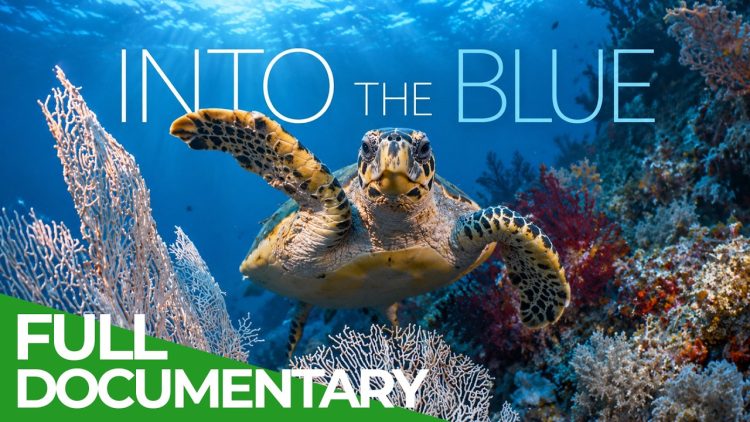
Raja Ampat: Life in the Coral Kingdom
We are in Southwest Papua, Indonesia. Raja Ampat is a spectacular world of crystal-clear mangroves, vibrant coral reefs and extraordinary marine life. Swim alongside sea turtles, explore waters filled with thousands of jellyfish, and watch majestic manta rays glide through one of the most beautiful underwater kingdoms on Earth. This film dives into Raja Ampat, and shows why it is considered one of the most extraordinary places in the ocean.
Raja Ampat is an archipelago of more than a thousand islands, scattered across the far west of New Guinea, in the heart of the Coral Triangle, the region of the western Pacific known for the richest marine life on the planet. The name means Four Kings, after the four main islands, and the waters around them hold a diversity of coral and fish that is unmatched anywhere else on Earth. The film shows the reefs in their full colour, and explains why this remote corner of Indonesia has become a byword for marine biodiversity.
The film begins in the mangroves, where the roots of the trees reach down into crystal-clear water and provide a nursery for young fish. Mangroves are the beginning of the food chain here, sheltering the juveniles that will grow up to populate the reefs, and the film shows the quiet, green world beneath the surface, where the water is still and the light filters down through the leaves. It is a reminder that the coral kingdom does not begin on the reef, but in the forest at the water’s edge.
From the mangroves the film moves out to the reefs themselves, and to the animals that live there. Sea turtles glide through the water, ancient and unhurried, grazing on the seagrass and resting on the coral. The film follows them closely, showing their grace and their vulnerability, and the long journeys they make across the ocean. In the sheltered bays, the film finds waters filled with thousands of jellyfish, drifting in the light, a sight that is both beautiful and strange, and a reminder of how little we know about the ocean’s hidden places.
The film’s most majestic moments belong to the manta rays. With wingspans that can reach several metres across, the mantas glide through the water like birds, feeding on plankton and circling the cleaning stations where smaller fish pick them clean. The film shows them from below, from above, and from alongside, and captures the sense of awe that they inspire in everyone who sees them. By the end, the film has become a portrait of a kingdom that is both fragile and magnificent, and a reminder of what the ocean can be when it is left to thrive.
What the Film Explores
The film explores the mangroves first, and it treats them as the foundation of the whole ecosystem. The crystal-clear water, the roots reaching down, the young fish sheltering among them: the film shows how the mangroves, the seagrass beds and the coral reefs work together as a single system, each part supporting the others. It is a lesson in how the ocean’s richness is built, not from a single habitat, but from the connections between them.
A second thread follows the sea turtles, and the film is at its most patient here. The turtles are shown grazing, resting and swimming, and the film explains their role in the ecosystem: keeping the seagrass healthy, carrying nutrients between habitats, and connecting the reefs to the open ocean. The film does not hide the threats they face, from fishing nets to the loss of nesting beaches, but it focuses on the animals themselves, and on the grace with which they move through their world.
A third thread follows the jellyfish and the mantas, and the film gives them the fullest treatment. The jellyfish lakes, where thousands of jellyfish drift in sheltered water, are presented as one of Raja Ampat’s strangest wonders, a place where the ocean seems to have been designed for beauty alone. The mantas are presented as the kingdom’s royalty, huge, graceful and gentle, and the film shows them at the cleaning stations and in the open water, feeding and gliding, in some of the most spectacular underwater footage in the series.
Running through the film is the question of what makes Raja Ampat special, and the film’s closing chapters look at the answer: diversity, and the connections between everything that lives there. The coral, the fish, the turtles, the jellyfish and the mantas are all part of a single system, and the film’s argument is that protecting that system means protecting all of it, from the mangroves to the open sea. The documentary closes on the reef, with the water clear and the life abundant, and the sense of a kingdom that is worth keeping.
Key Themes & Topics Examined
- Raja Ampat, the coral kingdom of Southwest Papua, Indonesia
- The Coral Triangle, and the richest marine life on Earth
- Crystal-clear mangroves, and the nursery of the reef
- Sea turtles, grazing and gliding through the water
- Waters filled with thousands of jellyfish
- Manta rays, majestic and gentle, at the cleaning stations
- Vibrant coral reefs, in full colour
- A fragile kingdom, and what it takes to protect it
Production & Background
The film is a Free Documentary – Nature production, part of the channel’s series on the world’s great marine wildernesses. Free Documentary – Nature is the nature channel of the Free Documentary network, which aims to provide high-quality documentaries on YouTube for free, working with renowned filmmakers and production studios and using the best practices in nature documentary filmmaking.
The documentary’s subject is the marine life of Raja Ampat, and its framing is the one the description gives: a spectacular world of crystal-clear mangroves, vibrant coral reefs and extraordinary marine life in Southwest Papua, Indonesia, where viewers swim alongside sea turtles, explore waters filled with thousands of jellyfish, and watch majestic manta rays glide through one of the most beautiful underwater kingdoms on Earth. The film is also listed under the titles Raja Ampat: The Wild Heart of Indonesia and Raja Ampat: Into Indonesia’s Wild Blue.
Recommended Companion Viewing
Explore authoritative investigative documentaries on related historical events and investigative subjects.

Eat Or Be Eaten: Reef Predators
High-Tech Shark Deterrence - Australia's New Strategy for Safe Beaches
The Gulf Stream: Warming the North Atlantic
Africa’s Wildest Coast: Life At The Sweeping Edge
Frequently Asked Questions
What is the film about?
The marine life of Raja Ampat, in Southwest Papua, Indonesia, from crystal-clear mangroves and vibrant coral reefs to sea turtles, jellyfish and manta rays.
Where is Raja Ampat?
An archipelago of more than a thousand islands in Southwest Papua, Indonesia, in the heart of the Coral Triangle, the region known for the richest marine life on Earth.
What does Raja Ampat mean?
Four Kings, after the four main islands of the archipelago.
What animals does the film show?
Sea turtles, thousands of jellyfish in sheltered waters, and majestic manta rays gliding through the reefs.
Who made the film?
Free Documentary – Nature.