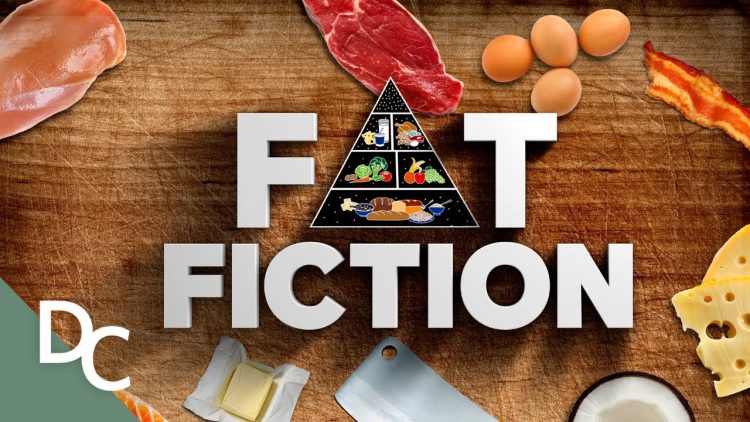
Fat Fiction — The Low Fat Diet Is Genocide | Full Documentary
What if everything we have been told about saturated fat is fiction? That is the question at the heart of Fat Fiction, a 2020 documentary directed by Jennifer Isenhart that examines the history of the U.S. Dietary Guidelines and asks whether decades of advice insisting that saturated fat is bad for us did more harm than good.
The film’s starting point is a paradox. For more than forty years, official advice in the United States and other countries has told people to eat less fat, and especially less saturated fat, and to fill the gap with carbohydrates. Over the same period, rates of obesity and type 2 diabetes have risen steeply. Fat Fiction argues that the two are connected: that the low-fat advice was built on weak evidence, that it pushed people towards sugar and refined carbohydrates, and that the result was a public health disaster.
To make its case, the film goes back to the origins of the guidelines. It looks at the work of Ancel Keys in the 1950s, whose Seven Countries study linked saturated fat to heart disease, and at how that idea became official policy when the first U.S. Dietary Guidelines were published in 1980.
The second half of the film introduces the people who pushed back. Nina Teicholz, author of The Big Fat Surprise, explains how she came to doubt the low-fat consensus while researching the history of nutrition science. Gary Taubes, author of Good Calories, Bad Calories, sets out the argument that carbohydrates, and the insulin they trigger, drive weight gain more than dietary fat does. Doctors including Sarah Hallberg, Robert Lustig, Jason Fung and Tim Noakes describe patients who lost weight and reversed type 2 diabetes on low-carbohydrate, higher-fat diets, and the film follows several of them through their own stories of illness and recovery.
Fat Fiction is an advocacy film, and it should be watched as one. Its claims are contested: many nutrition researchers argue that the evidence against saturated fat remains strong, and that the film selects its evidence to fit its case. The film’s value is not that it settles the argument, but that it tells the other side of a story most viewers have only ever heard one way, and it does so through the people who lived it, from the researchers who challenged the consensus to the patients who changed what they ate and got better.
What the film explores
The first part of the film is a history of the low-fat era. It traces the idea from Ancel Keys’s research in the 1950s, through the Senate hearings of the 1970s that pushed the U.S. government towards dietary guidelines, to the publication of the first guidelines in 1980, which told Americans to eat less fat and less cholesterol. The film argues that the science behind those guidelines was contested from the start, and that the guidelines hardened into certainty long before the evidence justified it.
The second part looks at what happened next. As fat was demonised, the food industry reformulated its products, taking fat out and putting sugar and refined starch in, and marketing the results as low-fat and therefore healthy. The film argues that this shift helped drive the rise in obesity and diabetes, because the replacement foods were less filling and raised blood sugar more sharply than the fats they replaced. It also looks at the role of the sugar industry, which the film says worked to shift blame for heart disease away from sugar and towards fat.
The third part is about the alternative. The film presents the low-carbohydrate, higher-fat approach through its leading advocates, and through patients who describe reversing type 2 diabetes, losing large amounts of weight and coming off medication. It also shows doctors, including Sarah Hallberg, running clinics built around carbohydrate restriction, and it argues that the medical system has been slow to accept results that contradict decades of official advice. The film ends on a note of hope, arguing that the guidelines can change, and that individuals can change what they eat now.
Key Themes
- The U.S. Dietary Guidelines and how they took shape in 1980.
- Ancel Keys and the Seven Countries study that linked fat to heart disease.
- How low-fat advice pushed people towards sugar and refined carbohydrates.
- The food industry’s role in promoting low-fat, highly processed foods.
- Insulin, carbohydrates and the argument that fat is not the enemy.
- Nina Teicholz and Gary Taubes, the writers who challenged the consensus.
Production and Background
Fat Fiction was directed, written and produced by Jennifer Isenhart of Wide Eye Productions, an Emmy Award-winning team, with Tom Hadzor as director of photography. Isenhart came to the subject personally: after struggling with sugar and adopting a low-carbohydrate way of eating herself, she decided to make a film about why official dietary advice had got it so wrong.
The version on CtrlF is the full film uploaded by Documentary Central, a channel that re-posts documentaries, under a sensational title of its own. The film itself is Isenhart’s, and the upload carries no caption track information beyond what the channel provides.
Recommended Companion Viewing
Explore authoritative investigative documentaries on related historical events and investigative subjects.

From India to Germany - Creating a new world with good food | DW Documentary
Mediterranean cuisine - The recipe for a long and healthy life?
A global longevity movement - Eternal life with biohacking?
Frequently Asked Questions
What is Fat Fiction about? It is a 2020 documentary about the history of the U.S. Dietary Guidelines and the low-fat advice they promoted. The film argues that the advice to eat less saturated fat was built on weak evidence, pushed people towards sugar and refined carbohydrates, and contributed to the rise in obesity and type 2 diabetes.
Who made Fat Fiction? It was directed by Jennifer Isenhart of Wide Eye Productions, and narrated by Dr Mark Hyman. It features interviews with Nina Teicholz, Gary Taubes, Tim Noakes, Sarah Hallberg, Robert Lustig, Jason Fung and other doctors and researchers.
What does the film say about saturated fat? The film argues that saturated fat has been wrongly blamed for heart disease, and that healthy fats, such as those in avocados, nuts and olive oil, can be part of a healthy diet. It presents the case that carbohydrates and the insulin they trigger matter more for weight gain than dietary fat.
Is the film’s argument accepted by scientists? No, it is contested. Many nutrition researchers maintain that the evidence linking high saturated fat intake to heart disease remains strong, and critics argue that the film selects its evidence. The film is best watched as one side of an ongoing scientific debate.
What is the “low fat diet is genocide” title? That is the uploader’s title on the Documentary Central channel, not the film’s own title. The film is called Fat Fiction, with the subtitle How America’s Plan for Eating Right Got It So Wrong.
More to watch
- Mediterranean cuisine – The recipe for a long and healthy life?
- The Intestine – The Body’s Underappreciated Control Center and Gut Health
- Inside a high-tech lab designing food for a hotter world
- China’s plan to never run out of food
- Fake Steak – Future-Proof Food And Lab-Grown Meat
For a different take on eating well, Mediterranean cuisine – The recipe for a long and healthy life? looks at a diet with a much longer track record behind it.