
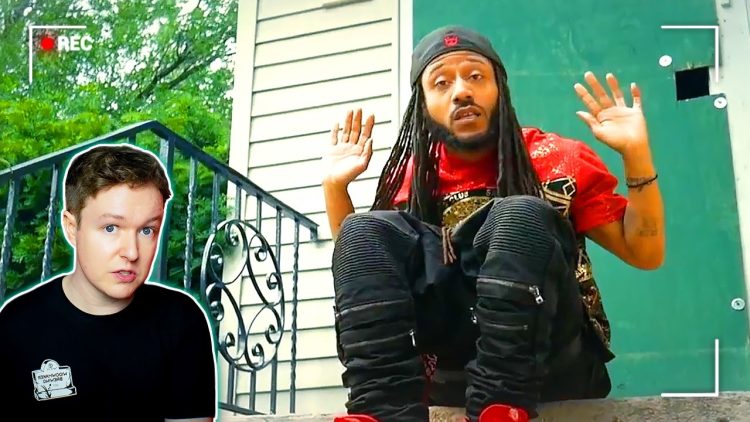
The Bizarre Case of Darrell Brooks
On 21 November 2021, at about 4:39 in the afternoon, Darrell Edward Brooks Jr. drove a red 2010 Ford Escape sport utility vehicle through the annual Christmas parade in Waukesha, Wisconsin, a quiet suburb of about 72,000 people west of Milwaukee. The parade was a family event, with marching bands, floats and dancers along the town’s historic Main Street. Brooks drove past the barricades at about forty miles an hour and through the crowd, killing six people and injuring sixty-two others.
The six people who were killed were Tamara Durand, fifty-two, Wilhelm Hospel, eighty-one, Jane Kulich, fifty-two, Leanna Owen, seventy-one, Virginia Sorenson, seventy-nine, and Jackson Sparks, eight years old, who was marching with his baseball team. Three of the adults, Durand, Owen and Sorenson, were members of a group called the Dancing Grannies, who performed in parades across Wisconsin. Hospel was the husband of a surviving Dancing Grannies member. Brooks, who was thirty-nine at the time, had an extensive criminal record dating back to 1999, including charges of sex crimes and domestic violence, and he was out on a one-thousand-dollar cash bond in a separate case when he drove into the parade.
What followed was one of the strangest trials in American legal history. Brooks pleaded not guilty to six counts of first-degree intentional homicide and seventy additional charges, and he chose to represent himself. His trial began on 3 October 2022, and it lasted four weeks. Brooks presented arguments from the sovereign citizen movement, a set of pseudolegal ideas holding that the laws and courts of the United States do not apply to him, and he objected when witnesses referred to him by his name, interrupted the judge, and ranted that his rights were being violated.
The trial ended quickly. On 26 October 2022, after a little over three hours of deliberation, the jury found Brooks guilty on all seventy-six charges: six counts of first-degree intentional homicide, sixty-one counts of first-degree recklessly endangering safety, six counts of hit-and-run causing death, two counts of bail jumping and one count of domestic battery. Each homicide count carried a mandatory life sentence in Wisconsin, which has no death penalty. On 16 November 2022, Judge Jennifer Dorow sentenced him to six consecutive life sentences without the possibility of parole, plus an additional 762 and a half years, and ordered restitution of 523,293 dollars. The gallery applauded as she announced the life sentences. Brooks is serving his sentences in the South Dakota State Penitentiary.
The film’s title calls the case bizarre, and it is the trial, as much as the attack, that earns the word. The attack itself was a straightforward horror: a man drove a car into a crowd. The trial was something else, a month-long spectacle in which a defendant who insisted the court had no power over him was tried, convicted and sentenced by that court anyway. The film tells both stories, and it leaves the viewer with the same question the trial left: how does a legal system deal with a defendant who refuses to accept that it exists at all?
What the film explores
The first part of the film is the attack itself: the parade, the afternoon, the SUV coming through the barricades and the chaos that followed. The film names the six people who were killed, and it describes the scene as the witnesses described it, a family celebration turned, in seconds, into a crime scene. It also explains who Brooks was, his criminal record and the bond he was out on, and the argument the prosecution made about why he drove into the parade.
The second part is the trial. The film follows Brooks’s decision to represent himself, his sovereign citizen arguments, his interruptions and his removals from the courtroom, and the patience of Judge Dorow, who had to run a fair trial for a defendant who was determined to disrupt it. The film shows how the trial worked, and how it did not, and it gives a sense of what it was like to be in the courtroom for those four weeks.
The third part is the verdict and the sentence. The film describes the jury’s deliberations, the guilty verdicts on all seventy-six counts, and the sentencing hearing, at which dozens of people spoke, including the families of the victims. It ends with the sentence itself, six life sentences without parole, and with the thought that the trial, for all its chaos, ended the way the law is supposed to end: with a verdict, and with a punishment.
Key Themes
- The Waukesha Christmas parade attack of 21 November 2021.
- Six people killed, including eight-year-old Jackson Sparks.
- The Dancing Grannies, three of whom were among the dead.
- Brooks’s criminal record and the one-thousand-dollar bond.
- A defendant who represented himself and argued the court had no authority.
- Judge Jennifer Dorow and a four-week trial.
Production and Background
The film is a That Chapter documentary, published on the That Chapter channel, and it belongs to the channel’s strand of true crime films that reconstruct notorious cases from the public record.
The Waukesha Christmas parade attack was one of the most widely covered crimes of 2021, and the trial, in October and November 2022, was watched around the world, in part because of Brooks’s behaviour in court. The case has since become a reference point in discussions of self-representation, the sovereign citizen movement and the limits of a court’s patience.
Recommended Companion Viewing
Explore authoritative investigative documentaries on related historical events and investigative subjects.

Lizzie Borden: The Secret Behind the Shocking Murders
Cheating Groom Executes His Bride 2 Days Before Their Wedding
Frequently Asked Questions
What happened in Waukesha? On 21 November 2021, Darrell Brooks drove a red Ford Escape through the annual Christmas parade in Waukesha, Wisconsin, killing six people and injuring sixty-two.
Who were the victims? Tamara Durand, fifty-two, Wilhelm Hospel, eighty-one, Jane Kulich, fifty-two, Leanna Owen, seventy-one, Virginia Sorenson, seventy-nine, and Jackson Sparks, eight.
Why was the trial so strange? Because Brooks represented himself and argued, from the sovereign citizen movement, that the court had no authority over him. He interrupted the judge, objected to being called by his name and was repeatedly removed from the courtroom.
What was the verdict? On 26 October 2022, the jury found Brooks guilty on all seventy-six charges, including six counts of first-degree intentional homicide and sixty-one counts of recklessly endangering safety.
What was the sentence? On 16 November 2022, Judge Jennifer Dorow sentenced Brooks to six consecutive life sentences without the possibility of parole, plus 762 and a half years, and ordered restitution of 523,293 dollars.
More to watch
- Inside The FBI’s Hunt For America’s Most Disturbing Serial Killers
- James Vincent Sullivan: Atlanta’s Most Cold-Blooded Divorce Plot
- Christa Pike: The Truth Behind America’s Most Shocking Murder Case
- Lizzie Borden: True Story of America’s Most Famous Double Murder
- 1 Town, 13 Prisons | Inside America’s Prison Capital
For how investigators build cases like this one, Forensics 3.0 – How modern crime labs are closing in on criminals shows the science that turns a crime scene into evidence.







