
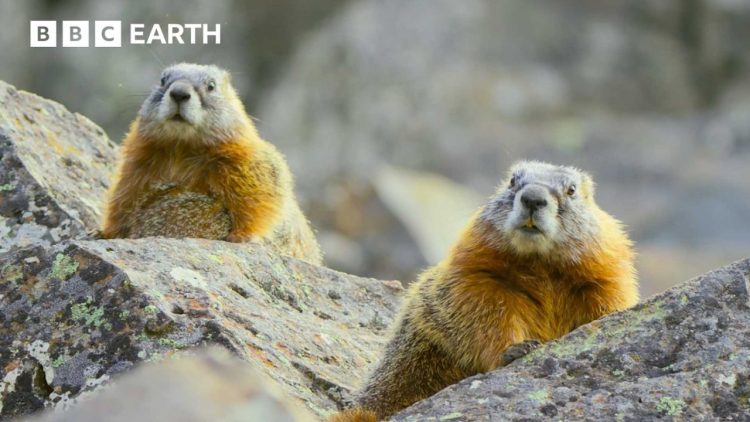
The Incredible Wildlife of Hidden Forests | BBC Earth
Step into the heart of the forest, and the first thing you notice is the sound. A rustle in the undergrowth, a call from high in the canopy, an echo that seems to come from everywhere at once.
Forests cover about 31 percent of the Earth’s land surface, and they are home to around 80 percent of the world’s terrestrial plants and animals. More than 60,000 tree species grow in them, and they provide habitat for about 80 percent of amphibian species, 75 percent of bird species and 68 percent of mammal species.
The film’s approach is to let the forest speak for itself. There is no single story and no single hero animal. Instead, the camera moves through the habitat the way an animal would, pausing where something is happening: a hunt, a courtship, a confrontation over territory, a moment of play. The result is a portrait of a place rather than a biography of a species, and it works because forests reward patience.
What makes the forest such a demanding home is also what makes it so rich. Light is rationed by the canopy, food is scattered and seasonal, and every animal is both hunter and hunted at different moments of its life. The film shows how different species solve the same problems in different ways: some by speed, some by stealth, some by strength, some by working together. A forest is not a backdrop.
What the Film Explores
The film explores the forest as a habitat built in layers. At the top, the canopy catches the sun and shelters the birds and climbers that live their whole lives without touching the ground. Below it, the middle storey is a world of branches and shade, where animals move by leaping, gliding and climbing. On the forest floor, the light is dim and the air is damp, and the animals that live there navigate largely by scent and sound.
It also explores the daily work of survival. Finding food in a forest is a skill, and the film shows animals using memory, teamwork and trial and error to get it. Some follow the seasons, travelling to where fruit or prey is plentiful. Some store food for leaner months. Some specialise so narrowly that they depend on a single tree species or a single kind of prey, a strategy that pays off richly until the forest changes.
The third strand is interaction. Forests are social places, even for animals that live alone. Territories are marked, defended and sometimes shared. Parents teach their young, rivals size each other up, and different species strike bargains, one warning the other of danger, one cleaning the other of parasites.
Key Themes
- The forest as a layered world: canopy, middle storey and forest floor each host their own communities, and the film moves between them to show how they fit together.
- Sound as a guide: in a habitat where sight lines are short, calls, rustles and echoes carry the information animals need to find food, mates and danger.
- Many ways to survive: speed, stealth, strength and cooperation all appear as answers to the same problem of making a living among the trees.
- Connection and interdependence: trees, insects, birds and mammals depend on each other, and the film shows the web rather than the single strand.
- Seasons and daily rhythms: the forest changes from dawn to night and from season to season, and its animals change with it.
- Rivalry and negotiation: territory, food and mates are contested constantly, and the film watches how those contests are settled.
Production and Background
The film is a BBC Earth production, drawn from the broadcaster’s five decades of natural history filming. BBC Earth is the commercial arm of the BBC’s natural history unit, and its compilations gather material from its long-form series into single, feature-length films built around a habitat or a theme.
That format suits the subject. A forest is too large and too varied for a single story, so the film works as a guided tour, moving from one encounter to the next and letting the habitat itself provide the continuity. The footage is the familiar BBC Earth standard: long lenses, patient hides, and cameras placed where the animals come to the filmmakers rather than the other way round.
Recommended Companion Viewing
Explore authoritative investigative documentaries on related historical events and investigative subjects.

World's Most Isolated Town
Our Planet | Forests | FULL EPISODE | Netflix
The Maya of Belize - The battle for culture, the rainforest and ancient knowledge
The Dolomites - Summer in the Italian Alps
Frequently Asked Questions
What is The Incredible Wildlife of Hidden Forests about? It is a BBC Earth film that spends 89 minutes inside the world’s forests, watching the animals that live there survive, thrive and interact, from the canopy to the forest floor.
Is this a single documentary or a compilation? It is a compilation-style edit that brings together BBC Earth forest material into one feature-length film, rather than a single broadcast episode following one expedition.
How much of the world’s wildlife lives in forests? Forests cover about 31 percent of the Earth’s land surface and are home to around 80 percent of terrestrial plants and animals, including about 80 percent of amphibian species, 75 percent of bird species and 68 percent of mammal species, according to the UN Food and Agriculture Organization.
Why does the film focus on sound? In a forest, sight lines are short and the canopy blocks the view, so animals rely heavily on calls, rustles and echoes to find each other, warn of danger and mark territory, and the film follows that logic.
More to watch
- Our Nature: Call of the Wild
- Nature’s Smartest Animals
- Nature’s Social Network
- The Secret Life Of Forest Monks: Living By Rules Unchanged For 2,500 Years
- The Maya of Belize – The battle for culture, the rainforest and ancient knowledge
Forests are also where people and wildlife meet most closely, as The Amazon in danger – Indigenous peoples and their struggle for the rainforest shows from the human side of the same habitat.







