
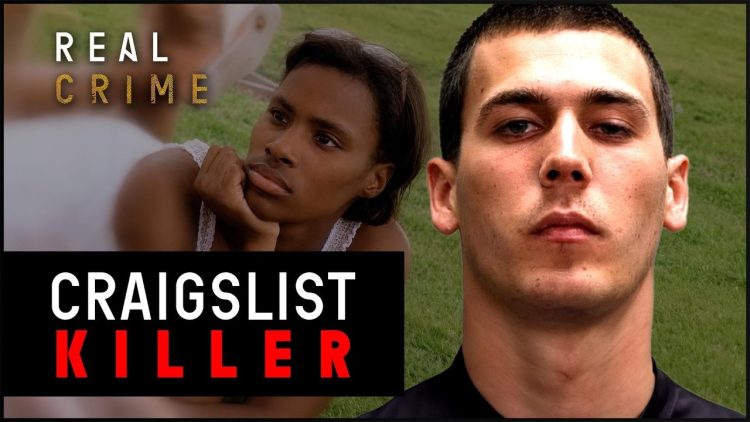
90 Stab Wounds: The Shocking Murder Of 22 Year Old Florida Woman
Three murders, three different states of American life, and one thing in common: the killers were caught not by luck, but by evidence. This Real Crime documentary brings together three cases — in Jacksonville and Fernandina Beach, Florida, and Omaha, Nebraska — and follows the detectives who pieced them together from DNA, phone records, surveillance footage and forensic science.
The first case is the murder of Tiara Pool in Jacksonville, Florida. She was just 22 years old, a mother of two, when she was found murdered in her apartment. The investigation uncovered a secret online dating life, and through it the detectives reached David Kelsey Sparr. DNA evidence, phone records and surveillance footage were the threads that tied the case together, and the film follows how each piece of evidence narrowed the picture until there was only one person it could be. Pool’s story is the film’s title case, and it is also its most painful: a young mother whose life was cut short, and whose children were left to grow up without her.
The second case is the disappearance and murder of Jolene Cummings in Fernandina Beach, Florida. She was 34, a mother of three, when she suddenly disappeared, and what began as a missing-person investigation soon turned into a murder case. Surveillance cameras, forensic blood evidence and a shocking discovery about her coworker’s real identity exposed the crime: Kimberly Kessler, the woman Cummings worked alongside, had spent decades living under false identities. The film follows the moment the detectives realised they were not dealing with an ordinary colleague, and how the trail of invented names and hidden pasts led them to the truth about what happened to Cummings.
The third case is the murder of Andrea Kruger in Omaha, Nebraska. She was simply driving home after finishing her shift as a bartender when she became the victim of a deadly robbery, and her murder eventually exposed a terrifying 10-day killing spree involving four victims. Investigators followed ballistic evidence, surveillance footage, fingerprints and ammunition purchase records to uncover the crimes of Nico Jenkins and his associates, and the film shows how a single murder, investigated carefully, can unravel a whole series of killings that no one had yet connected.
What ties the three cases together is not the killers, who are very different people, but the methods that caught them. In each case, the detectives worked with what the crime scene gave them, and in each case the answer came from the slow, unglamorous work of matching a bullet to a gun, a fingerprint to a hand, a phone record to a time and a place. The film’s argument is that modern murder investigation is a forensic discipline, and that the most important person in a murder case is often not the detective with a hunch but the analyst in the lab.
What the Film Explores
The film explores how DNA changed murder investigation. In the Pool case, DNA evidence was one of the threads that tied the suspect to the crime, and the film shows how a single sample can do what months of interviews cannot. DNA does not lie, does not forget and does not change its story, and the film treats it as the quiet revolution that has made so many modern murder cases solvable.
It also explores the danger of false identities. The Cummings case turns on the discovery that her coworker had spent decades living under invented names, and the film asks how someone can hide in plain sight for so long, working alongside people who never knew who she really was. The answer is unsettling: in a country where identity is largely a matter of paperwork, a determined person can become someone else, and stay someone else, for years.
The film looks closely at the way a single crime can hide a series. Kruger’s murder looked, at first, like a robbery gone wrong, and it was only the careful follow-up — the ballistics, the fingerprints, the ammunition records — that revealed a 10-day spree with four victims. The film shows how spree killings can stay invisible when each crime is investigated on its own, and how the pattern only appears when someone puts the pieces together. The FBI’s hunt for serial killers shows the same pattern at a larger scale, where federal resources are what connect crimes across state lines.
Finally, the film explores what these cases cost the people left behind. Pool was a mother of two, Cummings a mother of three, and Kruger a woman coming home from work, and the film does not forget them in favour of their killers. It returns, in each case, to the families, and to the ordinary lives that were ended for no reason that makes sense.
Key Themes
- Tiara Pool, 22, a mother of two, murdered in her Jacksonville apartment.
- David Kelsey Sparr, reached through DNA, phone records and surveillance.
- Jolene Cummings, 34, a mother of three, who vanished in Fernandina Beach.
- Kimberly Kessler, a coworker who had lived under false identities for decades.
- Andrea Kruger, murdered driving home from a bartending shift in Omaha.
- Nico Jenkins and a 10-day killing spree with four victims.
- Ballistics, fingerprints and ammunition records as the trail that solved it.
- How forensic science, not hunches, closes modern murder cases.
Production and Background
The film is a Real Crime compilation, bringing three separate murder cases into a single 57-minute documentary. Real Crime is a true-crime channel that builds its films from case records, police investigation and forensic evidence, and this one is characteristic of its approach: three cases, each told in full, each solved by the evidence rather than by confession or coincidence. The cases it covers — Pool in Jacksonville, Cummings in Fernandina Beach and Kruger in Omaha — are all real, and all were solved by the methods the film describes.
Recommended Companion Viewing
Explore authoritative investigative documentaries on related historical events and investigative subjects.

Lizzie Borden: True Story of America's Most Famous Double Murder
Lizzie Borden: The Secret Behind the Shocking Murders
Frequently Asked Questions
Who was Tiara Pool? A 22-year-old mother of two from Jacksonville, Florida, who was found murdered in her apartment. Detectives traced the case through her online dating life to David Kelsey Sparr, using DNA, phone records and surveillance footage.
Who was Jolene Cummings? A 34-year-old mother of three from Fernandina Beach, Florida, whose disappearance became a murder investigation. Surveillance and forensic blood evidence exposed her coworker Kimberly Kessler, who had lived under false identities for decades.
Who was Andrea Kruger? A bartender from Omaha, Nebraska, murdered while driving home from her shift. Her case exposed a 10-day killing spree with four victims, carried out by Nico Jenkins and his associates.
How were the killers caught? By forensic evidence: DNA and phone records in the Pool case, surveillance and blood evidence in the Cummings case, and ballistics, fingerprints and ammunition purchase records in the Kruger case.
Are these three cases connected? No. They are three separate cases, brought together because each shows how modern forensic investigation solves murders that might once have gone unsolved.
More to watch
- Inside The FBI's Hunt For America's Most Disturbing Serial Killers
- James Vincent Sullivan: Atlanta's Most Cold-Blooded Divorce Plot
- Lois Reiss: America's Most Unlikely Serial Killer
- Forensics 3.0 – How modern crime labs are closing in on criminals







