How Far Should (Climate) Activists and Protesters Go?
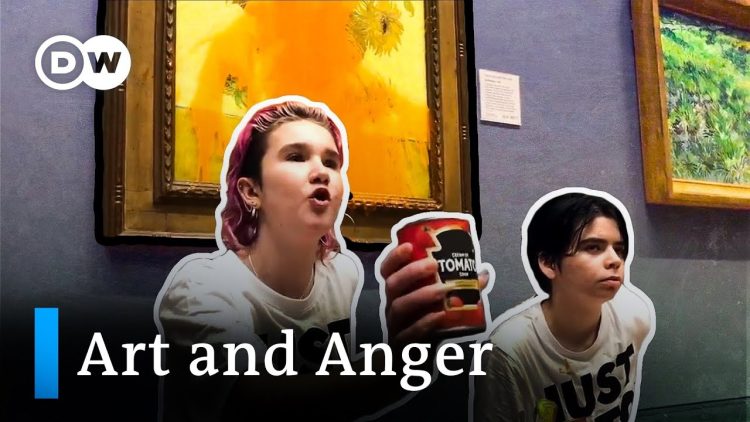
When it comes to fighting for a cause, can you go too far? Around the world, climate activists have attacked works of art in museums, gluing themselves to frames, throwing soup at paintings, and blocking the entrances to galleries. Some say the attacks go too far. But they do make headlines and bring awareness. Do these attacks help the climate cause, or are they just vandalism? This film takes that question seriously, and looks for its answer in the long history of civil disobedience in art.
The film begins with the activists, and with the question of why art is so often targeted. Museums are public, prestigious and full of cameras, an ideal stage for a protest that needs to be seen. The film talks to activists from the Last Generation and Extinction Rebellion, including Aimée van Baalen, and visits museums including the Museum Barberini in Potsdam, the Hamburger Kunsthalle and the Museum of Arts and Crafts in Hamburg, to understand what the protests are trying to achieve.
But the film’s argument is that these protests are not new, and that art and civil disobedience have been inseparable for a long time. For Pussy Riot, the Russian feminist punk band, civil disobedience, political protest and art are the same thing, and their powerful and often provocative performances have made them famous around the world. The Guerrilla Girls have brought protest to art institutions since the 1980s, wearing gorilla masks to call out sexism and racism. And who could forget Nan Goldin’s protest, taking on the billionaire Sackler family, responsible for the painkiller oxycodone, and shedding light on where money in the art world comes from.
The film also looks at the deeper history, and at a pattern that runs through it: it is often women who are leading the rebellion, and who have historically been willing to break the rules to achieve change. The film asks why that is, and looks at the historical precedents for civil disobedience, from the suffragettes to the civil rights movement, showing how breaking the law has been part of every major social change, and how the line between protest and vandalism has always been drawn by the people in power.
By the end, the film has become a meditation on what protest is for. The climate activists who target art are not trying to destroy paintings: they are trying to force a conversation, and the film shows that they succeed, even when the conversation is angry. The question it leaves the viewer with is not whether the protests are polite, but whether they work, and whether a cause as urgent as the climate can afford to wait for permission.
What the Film Explores
The film explores the museum protests first, and it wants the viewer to understand what the activists are doing and why. The attacks on artworks are designed to be shocking, and the film shows how they work: a small group, a famous painting, a camera, and a message about the climate. The film talks to activists and museum staff, and shows the damage, the security and the public reaction, asking whether the tactic helps or harms the cause.
A second thread follows the history of art and protest, and the film is at its most engaging here. Pussy Riot’s performances, the Guerrilla Girls’ posters, Nan Goldin’s campaign against the Sacklers: each of these is presented as a case study in how art can be used as a weapon, and how institutions can be forced to answer for where their money comes from. The film shows how Goldin’s protest changed the art world, as museums distanced themselves from Sackler funding, and asks whether climate activists can achieve the same.
A third thread follows the question of gender, and the film gives it a full chapter of its own. Why is it always women leading the rebellion? The film looks at the historical precedents, from the suffragettes to the civil rights movement, and shows how women have repeatedly been the ones willing to break the rules, to go to prison, and to be called unreasonable, in order to achieve change. The film suggests that the answer lies in who has the most to lose, and who has the least to protect.
Running through the film is the question of what civil disobedience is, and whether it matters. The film’s closing chapters look at why civil disobedience matters, and at the argument that breaking the law is sometimes the only way to change it. The documentary closes on the museums, where the protests began, and on the question it opened with: how far should activists go? Its answer is that the question is the wrong one, and that the right question is how far the rest of us are willing to go.
Key Themes & Topics Examined
- Climate activists targeting art in museums, and why
- The Last Generation and Extinction Rebellion, and the protests they stage
- Pussy Riot: civil disobedience, political protest and art as one
- The Guerrilla Girls, protesting in art institutions since the 1980s
- Nan Goldin and the Sackler family, and where art money comes from
- Indigenous art and activism
- Why it is often women leading the rebellion
- Why civil disobedience matters, and whether it works
Production & Background
The film is a DW History and Culture production, part of the Arts Unveiled series, which looks at the stories behind art, culture and history. The episode talks to artists and critics, and to activists including Aimée van Baalen from the Last Generation and Extinction Rebellion UK, and travels to museums including the Museum Barberini in Potsdam, the Hamburger Kunsthalle and the Museum of Arts and Crafts in Hamburg. Its chapters run from targeting art and civil disobedience through Pussy Riot, the Last Generation, Nan Goldin and the Sackler family, indigenous art and activism, and why civil disobedience matters.
The documentary’s subject is the relationship between art and civil disobedience, and its framing is the one the description gives: climate activists have attacked works of art in museums around the world, and the film asks whether these attacks help the climate cause or are just vandalism, looking at historical precedents and at why it is often women who are leading the rebellion and have historically been willing to break the rules to achieve change.
Recommended Companion Viewing
Explore authoritative investigative documentaries on related historical events and investigative subjects.

Frequently Asked Questions
What is the film about?
How far climate activism should go, and why art is so often targeted, told through museum protests, Pussy Riot, the Guerrilla Girls and Nan Goldin’s campaign against the Sackler family.
Why do climate activists target art?
Museums are public, prestigious and full of cameras, which makes them an ideal stage for a protest that needs to be seen. The film asks whether the tactic helps the climate cause or is just vandalism.
Who are Pussy Riot?
A Russian feminist punk band for whom civil disobedience, political protest and art are inseparable, known for powerful and often provocative performances.
What did Nan Goldin protest about?
The billionaire Sackler family, responsible for the painkiller oxycodone, and the source of money in the art world.
Who made the film?
DW History and Culture, as part of its Arts Unveiled series.