How greed is turning Spain into a desert
Spain is Europe’s greenhouse. Vast, plastic-covered fields dominate its southern coast to produce up to 25 percent of Europe’s fruit and vegetables. But this has a price. Spain is experiencing its worst water crisis in history, with thousands of illegal wells drilled to irrigate farms aggravating the problem, all for cheap, year-round produce for the richer countries up north. This film is a report from the front line of that crisis.
The film begins in El Rocio, a village on the edge of Donana, one of Europe’s most important wetlands. Donana is a place of extraordinary ecological value, a vast marshland that is home to some of the continent’s rarest birds and wildlife. But Donana is drying out, and the film shows why: the water that should feed the marshes is being pumped out of the ground to irrigate the farms around it, and much of that pumping is illegal.
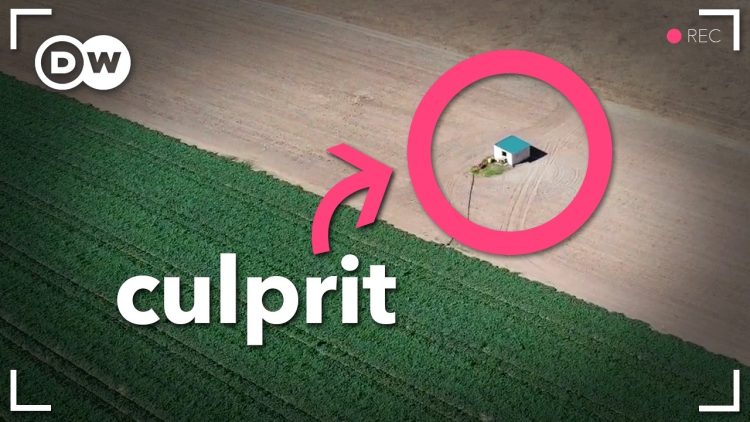
The scale of the illegal pumping is the film’s central fact. Thousands of illegal wells have been drilled across Spain, and the film shows the reservoirs and the irrigation systems they feed, in a landscape where the plastic greenhouses stretch to the horizon. The wells are not a secret: they are visible, and the authorities know about them. But the enforcement is difficult, and the film follows the people who try to do it. SEPRONA, the environmental protection service of Spain’s Civil Guard, is the agency tasked with policing the wells, and the film goes out on an inspection with them, showing how the work is actually done.
The film widens its view from Donana to the rest of Spain. Tablas de Daimiel, another great wetland, has suffered the same fate, and the film shows how the problem is national, not local. The cause is not just the wells themselves, but the system that created them: a model of agriculture built on cheap water, cheap labour and cheap produce, sold year-round to the richer countries of northern Europe. The historical background the film lays out shows how Spain became Europe’s greenhouse, and how the water crisis grew alongside it.
By the end, the film has become a story about who pays for cheap food. The possible solutions the film examines are not simple: tighter enforcement, better water management, a different model of farming, and international measures that would make the countries buying the produce share the responsibility for how it is grown. The film closes on the question of whether Spain can change course before the water runs out, and on the wetlands that are already paying the price.
What the Film Explores
The film explores El Rocio and Donana first, and they are the documentary’s heart. Donana is one of Europe’s great wetlands, and the film shows what it looks like when the water disappears: dry marshes, stranded wildlife, and a landscape that is losing the thing that made it special. The WWF report from 2024 on Donana’s water problem, cited by the film, calls for urgent action to reverse the ecological collapse of the wetland, and the film’s images make the urgency plain.
A second thread follows the illegal wells, and the film is at its most forensic here. Thousands of wells, drilled to irrigate farms, drawing down the aquifers that feed the wetlands. The film shows the wells and the reservoirs, and it follows SEPRONA on an inspection, showing how the environmental police work on the ground: the checks, the measurements, and the difficulty of proving what everyone can see. The film’s account of SEPRONA’s inception gives the enforcement story its history, and its on-the-ground inspection gives it its immediacy.
A third thread follows the national picture, and the film widens its view deliberately. Tablas de Daimiel, the great wetland of central Spain, has suffered the same fate as Donana, and the film treats the two cases together as evidence that the problem is structural. The cause, the film argues, is the model itself: Spain produces up to a quarter of Europe’s fruit and vegetables, much of it under plastic, much of it irrigated with water the country does not have, and the bill is being paid by the wetlands.
Running through the film is the question of solutions. The film’s final chapters look at what could be done: better enforcement, better water management, and international measures that would make the buyers of Spanish produce share the cost of how it is grown. The documentary closes on that question, and on the conclusion that the crisis is not a natural disaster. It is the result of choices, and choices, the film implies, can be changed.
Key Themes & Topics Examined
- Spain, Europe’s greenhouse: up to 25 percent of the continent’s fruit and vegetables
- Donana, and the wetland drying out
- El Rocio, on the edge of the marshes
- Thousands of illegal wells, and the aquifers they drain
- Tablas de Daimiel, the same fate in central Spain
- SEPRONA, the environmental police, on inspection
- Cheap, year-round produce for the richer countries up north
- Possible solutions, and international measures
Production & Background
The film is a DW Planet A production, reported by Kiyo Dorrer, with additional research by Nicole Ris, editing by Neven Hillebrands, camera work by Maud Watine, supervised by Adam Baheej Adada and Michael Trobridge, and fact-checked by Kirsten Funck. Planet A is DW’s series on the shift toward an environmentally friendly world. The film’s further reading includes the WWF report from 2024 on Donana’s water problem, figures on agricultural yield and produce prices from Mercasa and the FAO, and DW’s own reporting from 2022 on illegal wells, with special thanks to Felipe Fuentelsaz and WWF Spain for background interviews and footage.
The documentary’s subject is Spain’s water crisis and the illegal wells drilled to irrigate its farms, and its framing is the one the description gives: a country experiencing its worst water crisis in history, with thousands of illegal wells aggravating the problem, all for cheap, year-round produce for the richer countries up north. Its chapters run from the introduction through El Rocio, the cause and global context, the historical background, illegal wells and reservoirs, Tablas de Daimiel, SEPRONA and its inception, an on-the-ground inspection, the national problem, possible solutions, international measures, and the conclusion.
Recommended Companion Viewing
Explore authoritative investigative documentaries on related historical events and investigative subjects.

Frequently Asked Questions
What is the film about?
Spain’s water crisis, and the thousands of illegal wells drilled to irrigate the farms that produce up to a quarter of Europe’s fruit and vegetables.
What is Donana?
One of Europe’s most important wetlands, on the edge of El Rocio, which is drying out as the water that should feed it is pumped away to irrigate farms.
Who polices the illegal wells?
SEPRONA, the environmental protection service of Spain’s Civil Guard, which the film follows on an inspection.
Why is the produce so cheap?
Spain’s model of agriculture is built on cheap water, cheap labour and cheap produce, sold year-round to the richer countries of northern Europe.
Who made the film?
DW Planet A, reported by Kiyo Dorrer, with background interviews and footage from Felipe Fuentelsaz and WWF Spain.