How LA hides thousands of oil wells in plain sight
Los Angeles is a city of film stars and freeways, of beaches and traffic. It is also a city built on oil. Beneath its streets and neighbourhoods, behind fences and inside unmarked buildings, Los Angeles is filled with thousands of oil wells — many of them still active, and many of them leaking toxic gas. This film is about the wells nobody sees, and the slow, expensive, legally tangled effort to deal with them.
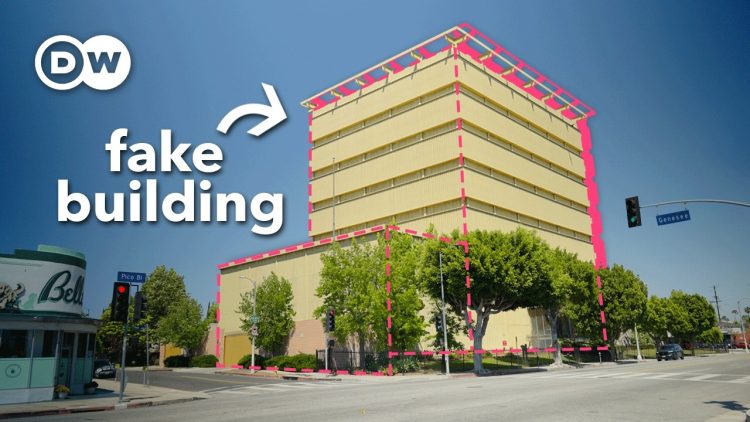
The scale is the first surprise. The wells are not in some distant field outside the city. They are in Los Angeles itself, scattered through residential areas, near homes and schools, hidden in plain sight. Some are disguised: a well can sit inside a building designed to look like an office, or behind a fence in a lot that looks like nothing at all. The film’s opening work is to make the invisible visible — to show a viewer how many wells surround them, and how little they would ever know.
The problem is not only that the wells exist. It is that many of them are old, idle, or orphaned — wells whose owners have disappeared, or whose operators have gone out of business, leaving no one to take responsibility for them. An idle well does not stop being dangerous when it stops producing. It keeps leaking, and the gas it leaks is toxic. The film follows the consequences for the people who live near the wells, and the health questions that come with living on top of an oilfield that never really went away.
The second half of the film follows the response. After years of legal battles, the city is starting to plug the wells — to seal them properly, so that they stop leaking. It is a task that could cost tens of millions of dollars, and it is only a beginning: plugging a well is expensive, finding the owner is often impossible, and the legal fights over who pays have run for years. The film’s chapters follow the argument in order: the history of oil in Los Angeles, the wells around the city, the problems they cause, the legal battles, the orphaned wells, and the question of whether cleanup is enough.
By the end, the film has become a story about a city living with its own history. Los Angeles grew rich on oil, and then it grew over it — building homes and neighbourhoods on top of the wells that made it. The wells did not go away. They are still there, still leaking, still waiting to be dealt with. The film closes on the question its chapters have been building toward: is plugging the wells enough, or is the real problem the city that was built on top of them?
What the Film Explores
The film explores the hidden wells first, and it is the film’s central image: thousands of oil wells, in plain sight, that most Angelenos never notice. The documentary shows how the wells are disguised — inside buildings, behind fences, in lots that look like nothing — and it argues that the invisibility is part of the problem. A hazard you cannot see is a hazard you cannot complain about, and the wells have benefited from being overlooked for decades.
A second thread follows the harm, and the film is at its most serious here. The wells leak toxic gas, and the people who live near them live with the consequences. The documentary draws on research into the health effects of living near oil extraction, and on the record of the wells themselves — the idle wells, the violations of cleanup law, the operators who have failed to meet their obligations. The film’s argument is that the wells are not a historical curiosity. They are an active public health problem.
A third thread follows the law, and it is the film’s longest story. Years of legal battles have run alongside the wells: the city’s attempts to phase out urban oil production, the county suing to plug wells in the Inglewood Oil Field, the disputes over who pays for cleanup when the owner has vanished. The documentary follows these battles in order, and it treats them as the reason the wells are still there — the law moved slowly, and the wells kept leaking while it did.
Running through the film is the question of the orphaned wells — the wells with no owner left to pay. Plugging them falls to the public, and the cost runs into tens of millions of dollars. The film’s closing question, whether cleanup is enough, is really a question about responsibility: who pays for a century of oil, and who lives with what it left behind?
Key Themes & Topics Examined
- Thousands of oil wells, hidden in plain sight across Los Angeles
- Wells disguised as offices and ordinary buildings
- Active wells, still leaking toxic gas
- Idle and orphaned wells, with no owner left to pay
- The health questions for people living near the wells
- Years of legal battles over who cleans up
- The Inglewood Oil Field, and the county’s lawsuit to plug its wells
- Is cleanup enough — or is the problem the city built on top of the oil?
Production & Background
The film is a DW Planet A production, written and edited by Amanda Coulson-Drasner, with camera work by Nils Hünerfürst and fact-checking by Alexander Paquet. Planet A is DW’s series on the shift toward an environmentally friendly world, and this episode follows its pattern: a problem hiding in plain sight, and the long, expensive work of dealing with it.
The documentary’s sources include the Center for Biological Diversity, the Carbon Tracker report on decommissioning California’s oilfields, and reporting from the Los Angeles Times on the city’s attempts to phase out urban oil production. Its background interviews include Cooper Kass of the Center for Biological Diversity and Sommer Yesenofski of STAND-LA.
Recommended Companion Viewing
Explore authoritative investigative documentaries on related historical events and investigative subjects.

Frequently Asked Questions
What is the film about?
The thousands of oil wells hidden across Los Angeles — many still active and leaking toxic gas — and the city’s slow, expensive effort to plug them after years of legal battles.
How are the wells hidden?
Many sit inside buildings designed to look like offices, or behind fences in lots that look like nothing at all — in plain sight, but unnoticed.
What is an orphaned well?
A well whose owner has disappeared or gone out of business, leaving no one responsible for sealing it. Plugging orphaned wells falls to the public, at a cost that could run into tens of millions of dollars.
Why has cleanup taken so long?
Years of legal battles over who pays, and over the city’s attempts to phase out urban oil production — including Los Angeles County suing to plug wells in the Inglewood Oil Field.
Who made the film?
DW Planet A, written and edited by Amanda Coulson-Drasner, with camera work by Nils Hünerfürst.