The organized crime hiding in your fridge
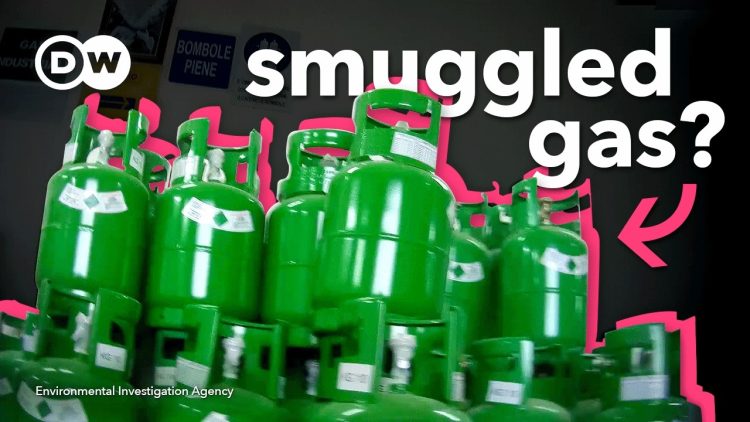
Billions of euros of illegal cooling gases are imported into Europe and sold unchecked all over the continent. They are banned because they can warm the planet way more quickly than carbon dioxide. And they are hiding in your fridge. This film goes undercover to expose the dirty business of smuggling and selling banned refrigerants — and to ask who profits, and how they can be stopped.
The film starts with the gases themselves, and with the reason they are banned. The refrigerants at the centre of the story are HFCs — hydrofluorocarbons, the cooling gases used in fridges, air conditioners and heat pumps. They were introduced as replacements for an earlier generation of chemicals, and they do their job well. But they have a property that makes them dangerous: released into the atmosphere, they warm the planet far more quickly than carbon dioxide. That is why they are banned, or strictly limited, in Europe — and why a black market in them exists.
The black market is the film’s subject, and it is larger than most people would guess. Billions of euros of illegal cooling gases are imported into Europe and sold unchecked, and the documentary follows the trade from its sources to its buyers. It is a story of smuggling — gases moved across borders in defiance of the law — and of selling: a trade that operates in the open, in workshops and online, because the enforcement has not kept up with the crime.
The film’s method is undercover reporting, and its reporter, Tim Schauenberg, goes inside the trade to show how it works. The documentary follows him as he meets the sellers, traces the supply chains, and documents the scale of the business. The undercover work is the film’s most striking material: the trade is not hidden in the shadows. It is hiding in plain sight, in the fridges and air conditioners that surround us, and in the workshops that service them.
By the end, the film has become a study in how environmental crime works — and in why it is so hard to stop. The gases are invisible, the trade is dispersed, and the harm is measured in the atmosphere rather than in a single place. But the documentary’s argument is that the trade can be stopped, and that the first step is seeing it: understanding that the cooling gas in a fridge is not only a technical detail, but a choice — and that the illegal trade in it is organised crime, hiding in the most ordinary place imaginable.
What the Film Explores
The film explores the gases first: what HFCs are, why they are used, and why they are banned. The documentary presents the science plainly — these cooling gases can warm the planet way more quickly than carbon dioxide — and it treats that fact as the foundation of the story. The ban exists for a reason, and the black market exists because the ban is worth evading: the gases are valuable, the demand is constant, and the profit is large.
A second thread follows the smuggling, and the film is at its most detailed here. Billions of euros of illegal cooling gases are imported into Europe, and the documentary follows the routes they take — across borders, through intermediaries, and into the hands of sellers who operate unchecked. The film presents the smuggling as organised crime in the full sense: a business with supply chains, customers and profits, operating at a scale that rivals the legal trade it undermines.
A third thread follows the undercover reporting, and the film’s reporter, Tim Schauenberg, is at its centre. The documentary shows how the trade works from the inside — who sells the gases, who buys them, and how the transactions happen. The undercover material is the film’s evidence: the trade is not a rumour or an estimate. It is a business, operating in workshops and online, and the film documents it as it happens.
Running through the film is the question of how the trade can be stopped. The documentary asks who profits, and it follows the money — but it also asks what enforcement would look like, and why it has not worked so far. The gases are invisible, the trade is dispersed, and the harm is diffuse. The film’s argument is that the answer starts with recognition: that the illegal refrigerant trade is not a technical violation but organised crime, and that it deserves to be treated as such.
Key Themes & Topics Examined
- HFCs — the banned cooling gases that warm the planet faster than CO2
- Billions of euros of illegal gases imported into Europe
- Smuggling routes, intermediaries and unchecked sales
- Undercover reporting inside the trade
- Reporter Tim Schauenberg, and the workshops where the gases are sold
- Who profits from the illegal refrigerant trade
- Why enforcement has not kept up with the crime
- How the trade can be stopped
Production & Background
The documentary is a DW Planet A production, reported by Tim Schauenberg, with camera by Henning Goll, Cem Adam Springer and Florian Kroker, video editing by David Jacobi, supervising editors Kiyo Dörrer and Malte Rohwer-Kahlmann, fact-checking by Kirsten Funck and thumbnail by Em Chabridon. Planet A is DW’s series on the shift towards an eco-friendly world.
The film’s structure follows the undercover investigation: the gases, the smuggling, the sellers, and the question of how to stop them. Its further reading points to the Environmental Investigation Agency’s work on the illegal refrigerant trade, and the documentary presents its findings as evidence of an organised criminal business operating in plain sight.
Recommended Companion Viewing
Explore authoritative investigative documentaries on related historical events and investigative subjects.

Frequently Asked Questions
What is hiding in your fridge?
Illegal cooling gases — HFCs, banned refrigerants that can warm the planet way more quickly than carbon dioxide, smuggled into Europe and sold unchecked.
How big is the trade?
Billions of euros of illegal cooling gases are imported into Europe and sold all over the continent, according to the film.
Why are these gases banned?
Because they can warm the planet way more quickly than CO2. They are used in fridges, air conditioners and heat pumps — and their release into the atmosphere carries a heavy climate cost.
How did the film expose the trade?
Through undercover reporting. Reporter Tim Schauenberg went inside the trade to meet sellers, trace supply chains and document the scale of the business.
Who profits, and how can it be stopped?
That is the film’s central question. It follows the money, and argues that the first step is recognising the illegal refrigerant trade for what it is: organised crime.