North Korea’s alliance with China and Russia
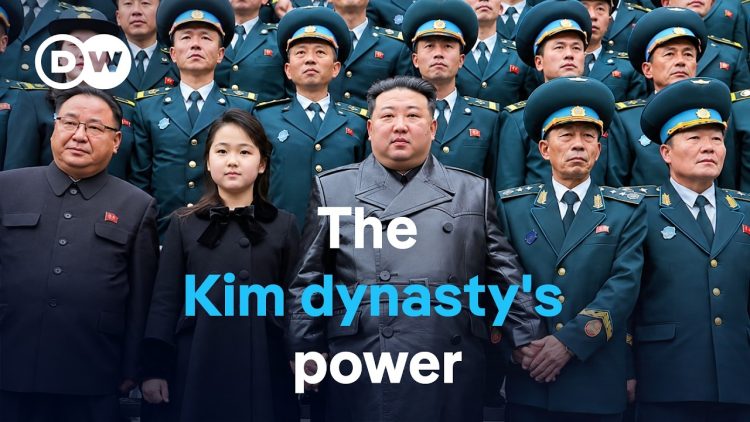
For decades, people have predicted the collapse of North Korea. Yet the Kim dynasty seems more entrenched than ever. Propaganda, military posturing and a nuclear program are shoring up Kim Jong Un’s power, both domestically and internationally — and this documentary sets out to explain how a small, largely isolated country keeps finding itself at the center of geopolitical tensions.
The film traces North Korea’s evolution from an isolated hereditary dictatorship to a state whose nuclear weapons program is cause for global concern. Today, the regime possesses missiles capable of potentially reaching long-range targets, and that capability has changed the way the rest of the world has to deal with Pyongyang. The documentary’s question is not only what North Korea can do, but why three generations of the Kim dynasty have been able to keep ruling at all.
A central thread of the film is the country’s turn toward closer ties with China and Russia. For the first time, North Korea is deploying thousands of soldiers to fight alongside Russia in its war in Ukraine — a conspicuous move that provides the country with combat experience, foreign currency, and access to new military technology. The film treats that deployment as a turning point: North Korea is no longer simply isolated, it is an active participant in a major war, and it is being paid for it in the currencies that matter most to a sanctioned state.
Drawing on new archival sources, exclusive analysis from experts and insights into North Korea’s elaborate propaganda machine, the documentary shows how the regime fosters loyalty and cements its power. A cult of personality, shows of military strength and foreign policy successes all serve to maintain its power at home — and the film shows how each of those tools is used deliberately, not as decoration but as the machinery of rule.
The film’s conclusion is that Kim Jong Un currently sees himself in a strategically advantageous position, and that Pyongyang’s role on the international stage is becoming increasingly significant. The documentary leaves the viewer with the question it opened with, sharpened: what strategies have allowed the Kim family to continue ruling to this day — and what are the consequences for the region and the world?
What the Film Explores
The film explores the long history of predictions that North Korea would collapse, and why those predictions have kept failing. The Kim dynasty has survived sanctions, isolation and the death of two leaders, and the documentary asks what it is about the system — built on control, isolation and military strength — that has proved so durable. The answer it builds is not a single cause but a combination: propaganda at home, a nuclear program abroad, and alliances that keep the country supplied.
A second thread follows the nuclear weapons program itself, from the regime’s early isolation to the present day, when its missiles can potentially reach long-range targets. The film presents the program as both a shield and a bargaining chip: it deters outside intervention, it commands attention, and it gives Pyongyang something to trade. The documentary makes clear that the program is a cause for global concern precisely because it works — it has changed the calculations of every country that deals with North Korea.
A third thread follows the new alliances, above all the turn toward China and Russia and the deployment of thousands of North Korean soldiers to fight alongside Russia in Ukraine. The film is careful about what that deployment buys: combat experience for troops who have never fought a modern war, foreign currency for a sanctioned economy, and access to new military technology. It is, the documentary argues, the clearest sign yet that North Korea’s isolation is ending on its own terms.
Running through the film is the propaganda machine, and the way it turns military strength and foreign policy successes into loyalty at home. The cult of personality around the Kim family, the parades and the missile tests, the presentation of every diplomatic success as a personal triumph of the leader — the documentary shows these not as background colour but as the mechanism by which the regime holds together. That is why, the film argues, Kim Jong Un can see himself in a strategically advantageous position even as his country remains small and largely isolated.
Key Themes & Topics Examined
- Decades of predictions that North Korea would collapse — and why they failed
- The Kim dynasty: three generations of rule built on control, isolation and military strength
- The nuclear weapons program and missiles capable of potentially reaching long-range targets
- Closer ties with China and Russia
- Thousands of North Korean soldiers deployed alongside Russia in the war in Ukraine
- Combat experience, foreign currency and new military technology as the payoff
- The cult of personality and the propaganda machine
- Kim Jong Un’s strategically advantageous position and Pyongyang’s growing international role
Production & Background
The documentary is a DW Documentary production built on new archival sources and exclusive analysis from experts on North Korea. Its material ranges from the regime’s own propaganda output to the assessments of specialists who have spent careers studying the country — and the film uses both, setting what the regime says about itself against what the evidence shows.
The film is presented as the first of two parts, with the documentary’s own description pointing viewers on to a second part. The story it tells here is the build-up: how the Kim dynasty survived, how the nuclear program changed the country’s standing, and how the new alliances with China and Russia — and the troops in Ukraine — have brought North Korea back to the centre of world affairs.
Recommended Companion Viewing
Explore authoritative investigative documentaries on related historical events and investigative subjects.

Turkey: How Artists Challenge(d) Erdoğan with Gezi Protests
Immigration Under President Trump’s First Term: Kids Caught in the Crackdown
Greater Israel: How Christian Zionism became policy
The World's Most Impossible Rescues: Survival Against All Odds
Frequently Asked Questions
Why hasn’t North Korea collapsed?
People have predicted its collapse for decades, yet the Kim dynasty seems more entrenched than ever. The film argues that a system built on control, isolation and military strength — held together by propaganda, a nuclear program and foreign alliances — has proved remarkably durable.
What does North Korea’s nuclear program mean for the world?
The regime possesses missiles capable of potentially reaching long-range targets, and the film presents the program as a cause for global concern — a shield against intervention and a bargaining chip that has changed how other countries deal with Pyongyang.
Why is North Korea sending soldiers to Ukraine?
For the first time, North Korea is deploying thousands of soldiers to fight alongside Russia in its war in Ukraine. The film says the deployment provides combat experience, foreign currency and access to new military technology.
How do China and Russia fit in?
North Korea is seeking closer ties with both countries. The documentary presents those relationships as central to the regime’s new position — partners that keep it supplied and give it standing on the international stage.
What keeps the Kim family in power?
According to the film, a combination of things: a cult of personality, shows of military strength, foreign policy successes, and a propaganda machine that turns all of them into loyalty at home.