How the world is choking on plastic | DW Documentary
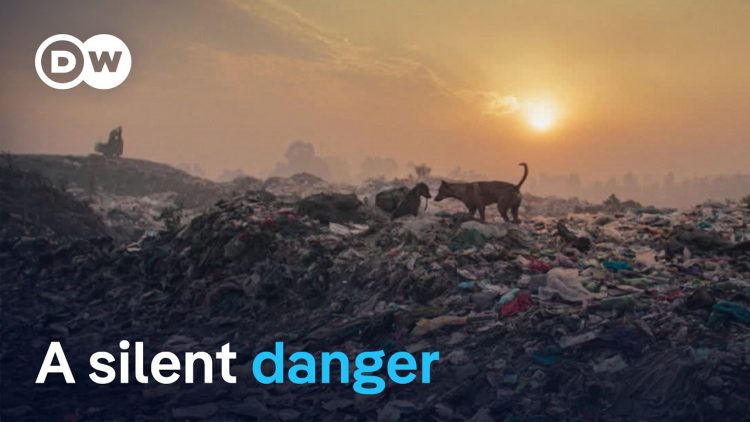
Plastic is everywhere, and not only in the places we expect. It is in our rivers and oceans, and it permeates the air, the soil, and even our bodies. The problem is getting worse, and yet the plastics industry is increasing production. This DW Documentary follows the flood of plastic from the factory gate to the far side of the world, and meets the people who are trying to stop it.
The film’s central argument comes from environmental lawyer Steven Feit, who describes plastics as the petroleum industry’s growth strategy for the 21st century. As the world moves away from fossil fuels as an energy source, the oil and gas industry is betting its future on plastic instead, building new plants to turn oil and gas into packaging, bottles and disposable goods. The more the world talks about cutting emissions, the more plastic the industry plans to make, and the film treats that contradiction as the key to understanding why the problem keeps growing.
On the coasts of Hawaii, oceanographer Sarah Jeanne Royer shows what that growth looks like when it reaches the sea. Microplastics — fragments smaller than a grain of rice — wash up on beaches, lodge in sand, and enter the food chain. Royer explains how they damage marine life and coastal ecosystems, and how little of what is produced ever really goes away. Plastic does not biodegrade; it breaks into smaller and smaller pieces, and those pieces are now found from the deepest ocean trenches to the most remote beaches on Earth.
In the United States, retired teacher Sharon Lavigne fights a different front of the same war. Her community is home to some of the largest plastic production facilities in the country, and she describes the pollution and the illness that come with them as environmental racism: the plants are built where people are poorest and least able to fight back. Lavigne’s campaign, carried on for years against companies far richer than her neighbours, is one of the film’s most powerful stories, because it shows that plastic is not only an environmental problem but a question of who is allowed to be poisoned.
The film also follows a photojournalist in his native Kenya, raising awareness about the damage caused by single-use plastics, and it listens to the industry’s own answer: lobbyists who argue that new recycling technologies will make the difference, and that the problem is not production but waste management. The film tests that claim and finds it wanting, and it ends with a Hamburg-based chemist and inventor who has suggestions for how the world’s plastics problem could be solved once and for all — not by recycling more, but by rethinking what we make and how we make it.
What the Film Explores
The film explores the connection between plastic and oil. Most people think of plastic as a packaging problem, but the film shows it as an energy problem in disguise: the same companies that drill for oil are now building their future on plastic, and every new plastic plant locks in decades of fossil fuel demand. Understanding that link, the film argues, is the first step towards a real solution, because a problem caused by overproduction cannot be solved by recycling alone.
It also explores what plastic does to the natural world. Microplastics are now found in the air we breathe and the food we eat, and the coral reefs and ocean life the film shows are living in water that is increasingly full of fragments of our own making. The film does not dwell on horror for its own sake; it shows scientists measuring, photographing and counting, and lets the numbers speak.
The film looks closely at environmental justice. The people who live beside plastic plants, who breathe the air around them and drink the water near them, are rarely the people who profit from them. Lavigne’s fight in the United States and the photojournalist’s work in Kenya are two sides of the same story: the costs of plastic fall hardest on the people with the least power, in the places with the least protection.
Finally, the film explores whether the industry can be trusted to fix its own problem. The lobbyists’ promise is that better recycling will make plastic sustainable, but the film points out that most plastic is never recycled at all, and that the industry has been making the same promise for decades while production has only risen. The question it leaves viewers with is simple: is the plastics industry listening, and if not, who will make it listen?
Key Themes
- Plastic in our rivers, oceans, air, soil and bodies.
- Plastics as the petroleum industry’s growth strategy for the 21st century.
- Steven Feit, the environmental lawyer who connects plastic to oil.
- Microplastics on the coasts of Hawaii, shown by oceanographer Sarah Jeanne Royer.
- Sharon Lavigne and the fight against pollution and environmental racism.
- A Kenyan photojournalist on the damage of single-use plastics.
- Lobbyists and the promise that new recycling technology will fix it.
- A Hamburg chemist and inventor with ideas for solving the problem for good.
Production and Background
The film is a DW Documentary production from 2025, running just under 86 minutes. DW Documentary’s films are known for taking a global problem and following it to the people living with it, and this one applies that method to plastic, moving between Hawaii, the United States, Kenya and Germany. Its account is built from the testimony of the people it follows — a lawyer, an oceanographer, a retired teacher, a photojournalist and an inventor — rather than from narration alone, and it arrives at a moment when negotiations over a global plastics treaty have made the question of who pays for plastic pollution one of the most contested issues in international politics.
Recommended Companion Viewing
Explore authoritative investigative documentaries on related historical events and investigative subjects.

Frequently Asked Questions
Is plastic really in our bodies? Yes. Microplastics have been found in human blood, lungs and other tissues, and the film’s starting point is that plastic now permeates the air, soil and water as well as the oceans.
Why is plastic production still rising? The film argues that plastics are the petroleum industry’s growth strategy: as demand for fossil fuels as energy falls, oil and gas companies are investing in plastic production instead.
What are microplastics? Tiny fragments of plastic, smaller than a grain of rice, formed when larger plastic breaks down. They are found on beaches, in seawater, in soil, in the air and inside marine animals.
Does recycling solve the problem? The film is sceptical. Most plastic is never recycled, and the industry has promised that new recycling technologies will fix the problem while continuing to increase production.
Who is Sharon Lavigne? A retired teacher from Louisiana who campaigns against the plastic and petrochemical plants built in her community, and who describes the pollution they cause as environmental racism.
More to watch
- Forgotten Islands: The Last Coral Paradise
- Raja Ampat: Life in the Coral Kingdom
- How Far Should (Climate) Activists and Protesters Go?
- Why it can take half a century to close down nuclear plants