The melting ice of the Arctic (1/2) | DW Documentary
Soon the Arctic will be ice-free in summer. That single fact is the starting point of this DW documentary, the first of two episodes about a region of the world that is changing dramatically because of climate change. While many are concerned about the consequences for the global climate, countries like Russia and the United States, as well as China and Canada, see an ice-free Arctic as an opportunity, offering everything from new trade routes to mineral resources and tourism.
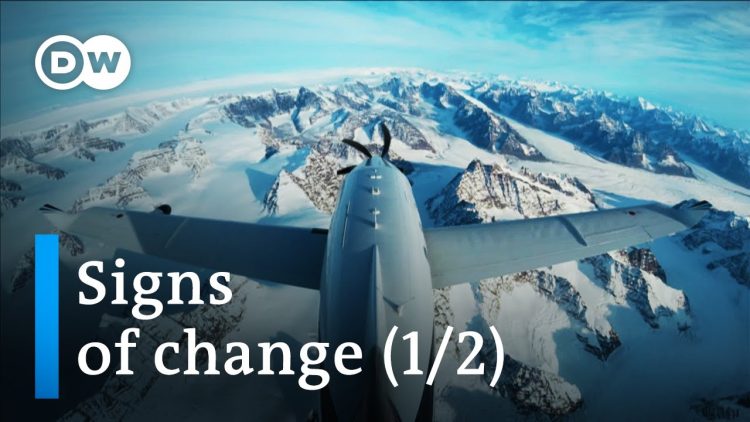
The film begins in Greenland, flying low over the fjords and mighty glaciers of some of the loneliest places in the world. The landscape is extraordinary, and the film captures it fully: the ice, the light, the scale of a place where human beings are a small presence in a vast wilderness. But the beauty is not the point. The point is that the ice is going. The current Arctic thaw is felt far beyond this lovely, isolated place, and it is progressing faster here than in the rest of the world.
The reason is simple: as the ice melts, new, shorter shipping routes are opening up, and access to mineral resources is becoming possible in places that were unreachable for most of human history. Littoral states and world powers are fighting for influence in the region, and at the heart of their interest are those two prizes: the resources and the routes. The film does not present this as an abstract contest.
In Alaska, the camera team meets fishermen who have been driven from American fishing grounds near the Bering Strait by Russian fighter planes and warships. The fishermen are demanding that their government provide a greater military presence in the region to protect their interests, and their story is a measure of how fast the Arctic is changing: a fishing dispute has become a military one, and the Bering Strait, one of the narrowest and most strategic waterways in the world, is now a front line. The film does not sensationalise the encounter.
The thaw that threatens one island community, as Displaced on Java – A village battling rising sea levels shows in the tropics, is redrawing the map of the far north too.
What the Film Explores
The film explores the Arctic as a place where climate change is not a forecast but a present fact. The thaw is progressing faster here than anywhere else on Earth, and the film shows what that looks like on the ground: glaciers retreating, sea ice thinning, permafrost thawing, and the seasons shifting under the feet of the people who live there.
It also explores the new geopolitics of the thaw. The Arctic was once too cold and too remote to be worth fighting over. Now the ice is going, and the prize is becoming visible: shorter shipping routes between Asia and Europe, oil and gas, rare minerals, fisheries and tourism.
A third strand is the dispute over the Northwest Passage. The passage, the sea route through the Canadian Arctic islands, has been a dream of navigators for centuries, and it is now becoming a reality. The United States considers it international waters; Canada considers it national territory.
Key Themes
- An ice-free Arctic: scientists are certain that in a few decades the Arctic will be ice-free in summer, and the film starts from that fact.
- Climate change, faster here: the thaw is progressing faster in the Arctic than in the rest of the world, and the film shows what that looks like on the ground.
- New routes, new resources: melting ice opens shorter shipping routes and access to mineral resources, and world powers are competing for both.
- The Northwest Passage dispute: the United States counts the passage as international waters, while Canada considers it national territory.
- Fishing grounds under pressure: Alaskan fishermen near the Bering Strait have been driven from their grounds by Russian fighter planes and warships.
- People of the far north: communities in the US, Canada, Greenland, Norway and Russia have adapted over centuries to the cold, and now face a new struggle.
Production and Background
The film is a DW Documentary production, the first of two episodes about the melting Arctic, and it was made in the broadcaster’s reportage style: a film team travelling through the region, filming what they find and talking to the people they meet. The second part, linked in the film’s description, continues the story, and the two episodes together form a single report on a region in transformation.
The Arctic’s transformation is one of the most consequential stories of the century, and it is still unfolding. The Northwest Passage dispute has not been resolved, the shipping routes are opening year by year, and the communities of the far north are still adapting to a world without the ice they depended on.
Recommended Companion Viewing
Explore authoritative investigative documentaries on related historical events and investigative subjects.

Fleeing climate change — the real environmental disaster | DW Documentary
Inside the planet’s most urgent climate warning | Global Warning E1 | Featured Documentary
Rivers Under Pressure: From Drought and Competing Agendas
How heatwaves impact our lives
Frequently Asked Questions
Will the Arctic really become ice-free in summer? Scientists are certain that in a few decades the Arctic will be ice-free in summer, and the thaw is already progressing faster there than in the rest of the world.
Why do countries want an ice-free Arctic? Melting ice opens new, shorter shipping routes between Asia and Europe, and makes mineral resources, fisheries and tourism accessible in places that were unreachable before.
What is the Northwest Passage dispute? The United States considers the Northwest Passage, the sea route through the Canadian Arctic islands, to be international waters, while Canada considers it national territory.
What happened to the Alaskan fishermen? Fishermen near the Bering Strait were driven from American fishing grounds by Russian fighter planes and warships, and are demanding a greater military presence to protect their interests.
More to watch
- Backbreaking Work: Deep-Sea Fishing in the Arctic Ocean
- Displaced on Java – A village battling rising sea levels
- How Far Should (Climate) Activists and Protesters Go?
- Will renewables stop the climate crisis?